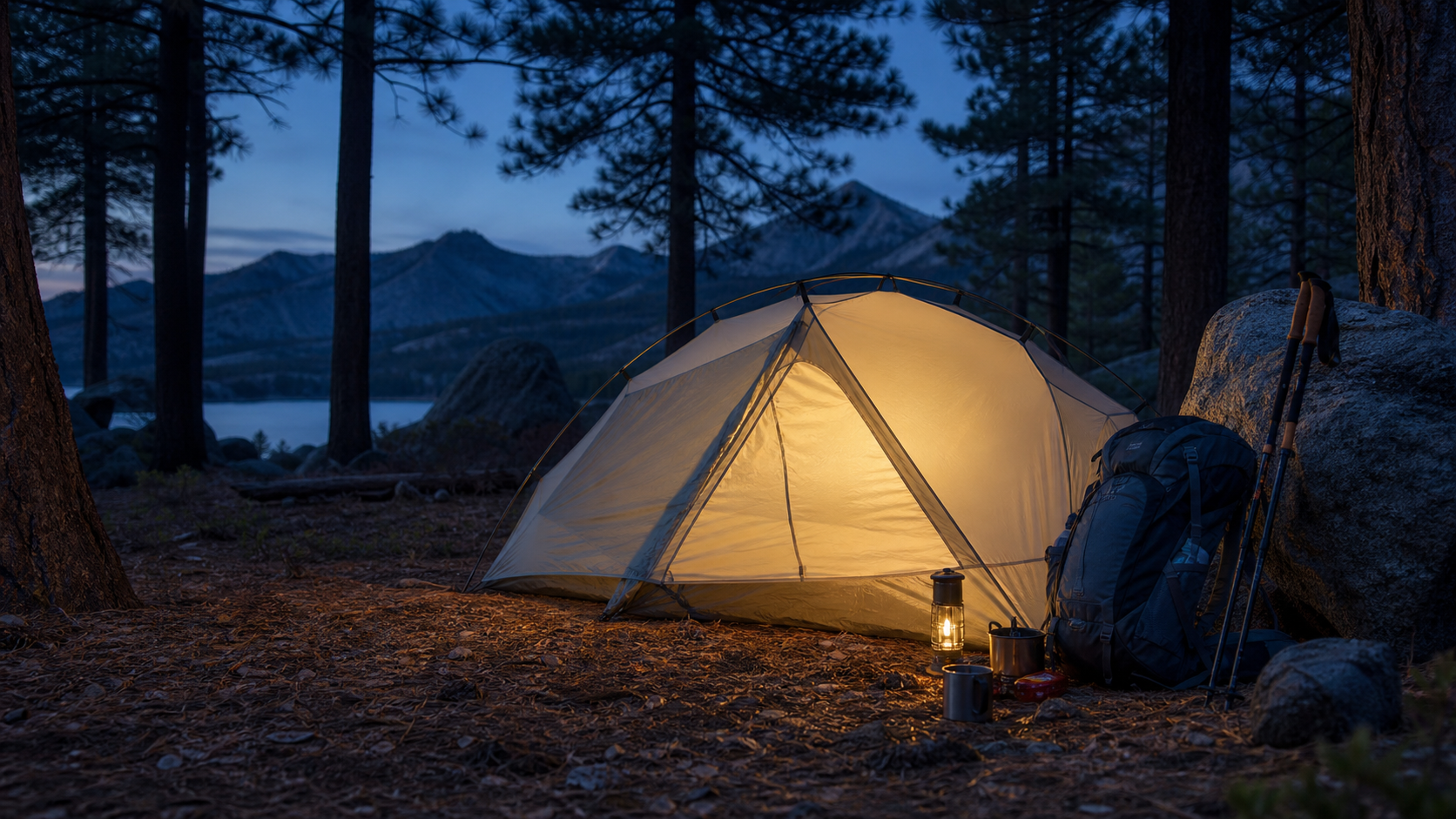
Late arrivals expose weak packing systems. The first items out should be shelter, light, layers, water, and the simplest dinner plan.
What matters on a real trip
- Comfort and usability after the first hour matter more than novelty features.
- Common failure points include zippers, buckles, locks, seams, coatings, battery doors, and charging ports.
- Packed size and storage determine whether the item comes on the next trip.
- Weather and cleaning needs should match the conditions readers actually face.
- Value means reliable repeat use, not only the lowest checkout price.
Buying notes
We focus on the parts that affect repeat use: comfort after the first hour, setup friction, packed size, weather tolerance, durability at common failure points, cleaning and storage, and whether the item makes sense for weekend travel rather than expedition-only use.
Who should consider it
This article is written for hikers, campers, and travelers who want practical outdoor gear for weekends, road trips, light backpacking, and national-park style travel. Readers planning remote expeditions should use this as a starting point and check specialist guidance before relying on any single item.
TrekBench verdict
Pack the night-arrival kit so it can be used before the full camp kitchen comes out.
Plan the Arrival Before You Leave
Arriving after dark is common on Friday trips. The work you do at home determines whether the first hour at camp is calm or frustrating. Pack in reverse order of use: the items you need first go on top or in an easy-to-reach bin.
The First-Out Kit
- Headlamp on your head before you leave the car, plus a lantern for the site.
- Shelter on top of the pack or trunk, with stakes and poles in the same bag.
- Warm layer and hat, since temperatures drop quickly after sunset.
- Water already filled.
- Simple dinner that needs only boiling water or no cooking.
Practice Pitching at Home
Set your tent up in a backyard or living room until you can do it with a headlamp. Color-code or mark pole ends if your tent design allows confusion.
Choosing a Site at Night
- Use established, reserved sites when possible; confirm your site number in daylight hours by phone or app.
- Look up for dead branches before pitching.
- Avoid low spots where cold air and rainwater collect.
- Follow campground quiet hours and keep light pointed down to respect neighbors.
Food Storage
Store food and scented items according to local rules: bear lockers, bear canisters, or your vehicle where permitted. Rules differ by park, so check before arrival.
A Simple Arrival Routine
Lights, shelter, sleep system, water and dinner, food storage, then relaxation. Leave camp-organizing projects for the morning.