Posted on

Best Budget Outdoor Electronics for Safer Weekend Trips

TrekBench Navigation
Affiliate disclosure: TrekBench may earn a commission when readers buy through some merchant links. Our recommendations remain independently edited, and commissions do not affect verdicts.

Outdoor electronics should make trips safer and easier, not create another pile of batteries and subscriptions. Budget gear can work well when chosen for a specific job.

Quick verdict

Start with a reliable headlamp, offline maps, a small power bank, and a weather-aware plan. Add satellite messaging only when the route risk justifies it.

What we looked for

For this outdoor-electronics piece, we focused on the details that matter on real weekends: packability, weather resistance, comfort after several hours of use, setup time, durability, and value. We favor gear that solves common trip problems without adding unnecessary bulk.

Pros

  • Headlamps and power banks deliver high value
  • Offline maps are often more useful than premium hardware
  • Emergency communication is worth planning early

Tradeoffs

  • Cheap lights may have poor waterproofing
  • Subscription devices require ongoing costs

Who it is for

This guide is written for travelers, hikers, and campers who want dependable gear for weekend trips, national park travel, car camping, and light backcountry use. It is not aimed at expedition specialists or people chasing the absolute lightest possible kit at any cost.

How to choose

  • Match the trip length. Weekend gear should be comfortable and repeatable, not just impressive on paper.
  • Check the failure points. Zippers, poles, straps, buckles, waterproof coatings, battery covers, and seams usually matter more than headline specs.
  • Think about storage. Good outdoor gear should be easy to dry, clean, recharge, repack, and use again next month.
  • Buy for your weather. A desert road trip, a wet shoulder-season hike, and a humid family campsite need different tradeoffs.

Update note

TrekBench reviews are updated when product lines, availability, field notes, or reader questions change. We keep older recommendations visible when they still explain useful buying decisions.

Author: TrekBench Editorial
Our editorial desk focuses on practical travel, camping, hiking, backpacks, footwear, apparel, and outdoor electronics for real-world trips.

Building a Budget Electronics Kit by Priority

Outdoor electronics fall into three groups: safety (light, navigation, emergency communication), power (batteries and charging), and convenience (speakers, cameras, gadgets). Spend first on safety, then on power, and only then on convenience.

1. Headlamp

A headlamp is the single most useful electronic item on any trip. Look for at least 300 lumens, a red-light mode to preserve night vision, and a lockout feature so it does not switch on in your pack. Rechargeable models are convenient, but a model that also accepts AAA batteries gives you a backup if you cannot charge.

2. Power Bank

A 10,000 mAh power bank recharges most phones about two times, enough for a weekend. Real usable capacity is lower than the label because of conversion losses, often around 60–70% for the phone. Choose USB-C input and output so one cable charges everything, and check airline rules if flying: most carriers allow power banks under 100 Wh in carry-on only.

3. Navigation

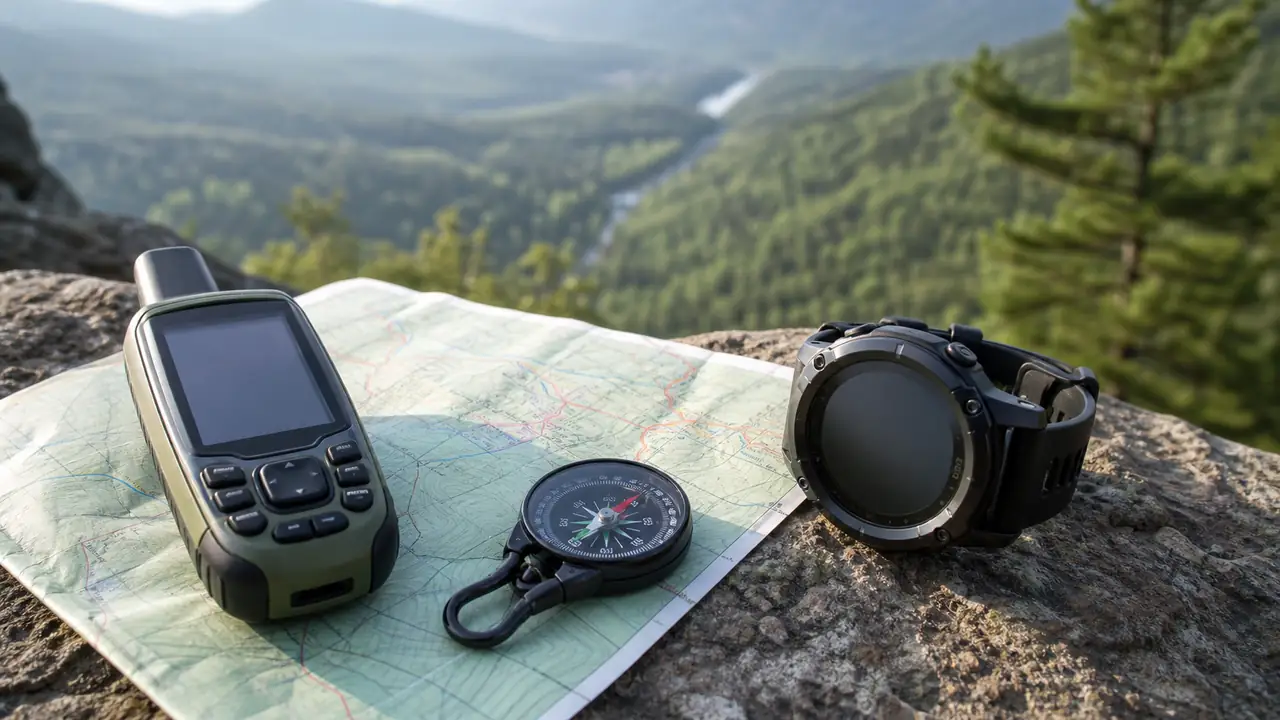
Your phone with offline maps downloaded (from apps such as Gaia GPS, AllTrails, or CalTopo) is a capable navigation tool. Put the phone in airplane mode to save battery; GPS still works without cell signal.

4. Emergency Communication

For trips beyond cell coverage, consider a satellite messenger or personal locator beacon. Some newer phones offer emergency satellite messaging in supported regions; check your model before assuming coverage.

5. Camp Lighting

A small rechargeable lantern or a headlamp wrapped around a water bottle (“lantern hack”) lights a tent or picnic table well.

Cold Weather and Battery Care

Lithium-ion batteries lose capacity in the cold. Keep phones and power banks in an inside pocket during the day and in your sleeping bag at night. Avoid charging lithium batteries below freezing.

Simple Checklist

  • Headlamp (charged) + spare batteries or cable
  • Power bank 10,000 mAh + short USB-C cable
  • Phone with offline maps and downloaded route
  • Satellite communicator or PLB for remote routes
  • Small dry bag for electronics
Posted on

Best Compact Camp Chairs and Tables for Car Camping

TrekBench Chairs
Affiliate disclosure: TrekBench may earn a commission when readers buy through some merchant links. Our recommendations remain independently edited, and commissions do not affect verdicts.

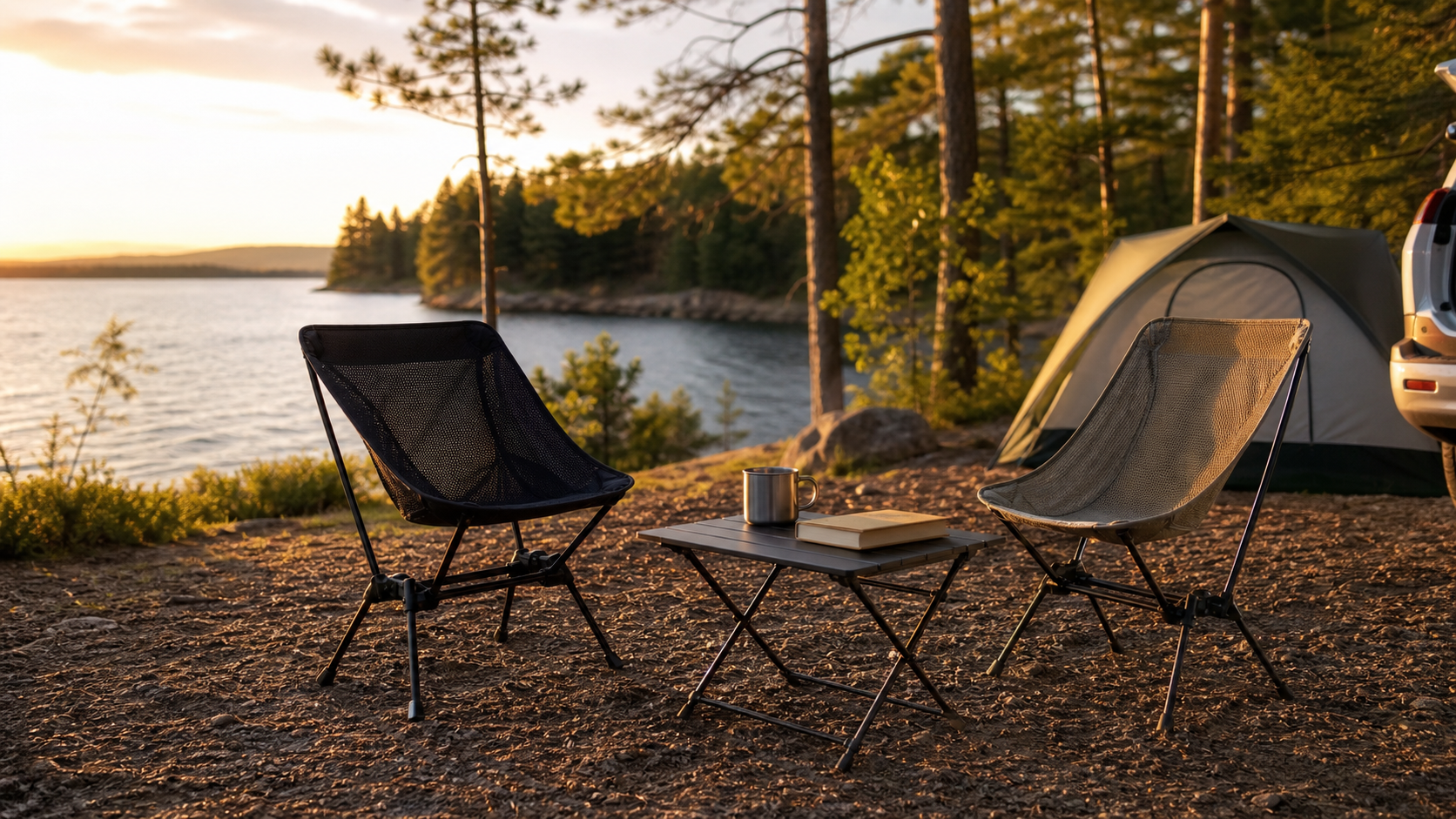
Camp furniture is comfort gear, but bad furniture becomes clutter fast. The best chairs and tables are stable, easy to pack, and useful for more than one campsite job.

Quick verdict

For car camping, prioritize stability and setup speed over the smallest packed size. A slightly heavier chair that people actually like using is usually worth it.

What we looked for

For this camping piece, we focused on the details that matter on real weekends: packability, weather resistance, comfort after several hours of use, setup time, durability, and value. We favor gear that solves common trip problems without adding unnecessary bulk.

Pros

  • Seat height affects comfort around a fire ring
  • Small tables help organize cooking and coffee
  • Mesh panels dry faster near lakes

Tradeoffs

  • Ultralight chairs can feel narrow
  • Cheap hinges are common failure points

Who it is for

This guide is written for travelers, hikers, and campers who want dependable gear for weekend trips, national park travel, car camping, and light backcountry use. It is not aimed at expedition specialists or people chasing the absolute lightest possible kit at any cost.

How to choose

  • Match the trip length. Weekend gear should be comfortable and repeatable, not just impressive on paper.
  • Check the failure points. Zippers, poles, straps, buckles, waterproof coatings, battery covers, and seams usually matter more than headline specs.
  • Think about storage. Good outdoor gear should be easy to dry, clean, recharge, repack, and use again next month.
  • Buy for your weather. A desert road trip, a wet shoulder-season hike, and a humid family campsite need different tradeoffs.

Update note

TrekBench reviews are updated when product lines, availability, field notes, or reader questions change. We keep older recommendations visible when they still explain useful buying decisions.

Author: TrekBench Editorial
Our editorial desk focuses on practical travel, camping, hiking, backpacks, footwear, apparel, and outdoor electronics for real-world trips.

What Makes Camp Furniture Worth Packing

Car camping removes most weight limits, but space in the car and setup time still matter. Good camp chairs and tables are stable on uneven ground, set up in under a minute, and pack small enough to leave room for coolers and bags.

Camp Chair Types

TypeProsCons
Quad folding chairCheap, sturdy, cup holdersBulky, heavy
Compact frame chair (Helinox-style)Packs tiny, lightLow seat, can sink in sand
Rocking / reclining chairVery comfortableLarge, expensive
Camp stoolMinimal, great for cookingNo back support

Check the rated weight capacity, seat height (higher is easier to get in and out of), and feet design. Wide feet or ground pads prevent compact chairs from sinking into soft ground.

Camp Table Types

  • Roll-top aluminum tables: light, pack into a tube, good for cooking, but can wobble under heavy loads.
  • Folding suitcase tables: stable, often height-adjustable, heavier.
  • Small side tables: hold drinks and a lantern next to a chair.

For cooking, choose a table that is heat-resistant and stable enough for a two-burner stove, and keep the stove manufacturer’s clearance guidance in mind.

Selection Checklist

  1. Packed dimensions vs. your trunk space.
  2. Setup time and number of loose parts.
  3. Stability on slopes and gravel.
  4. Materials: aluminum resists rust; steel is sturdier but heavier.
  5. Ease of cleaning after cooking.

Care

Dry fabric seats before storage to avoid mildew, rinse sand out of shock-corded poles, and check rivets and joints each season.

Posted on

Camping Sleep System Basics: Bag, Pad, and Pillow Setup

TrekBench Sleep System
Affiliate disclosure: TrekBench may earn a commission when readers buy through some merchant links. Our recommendations remain independently edited, and commissions do not affect verdicts.

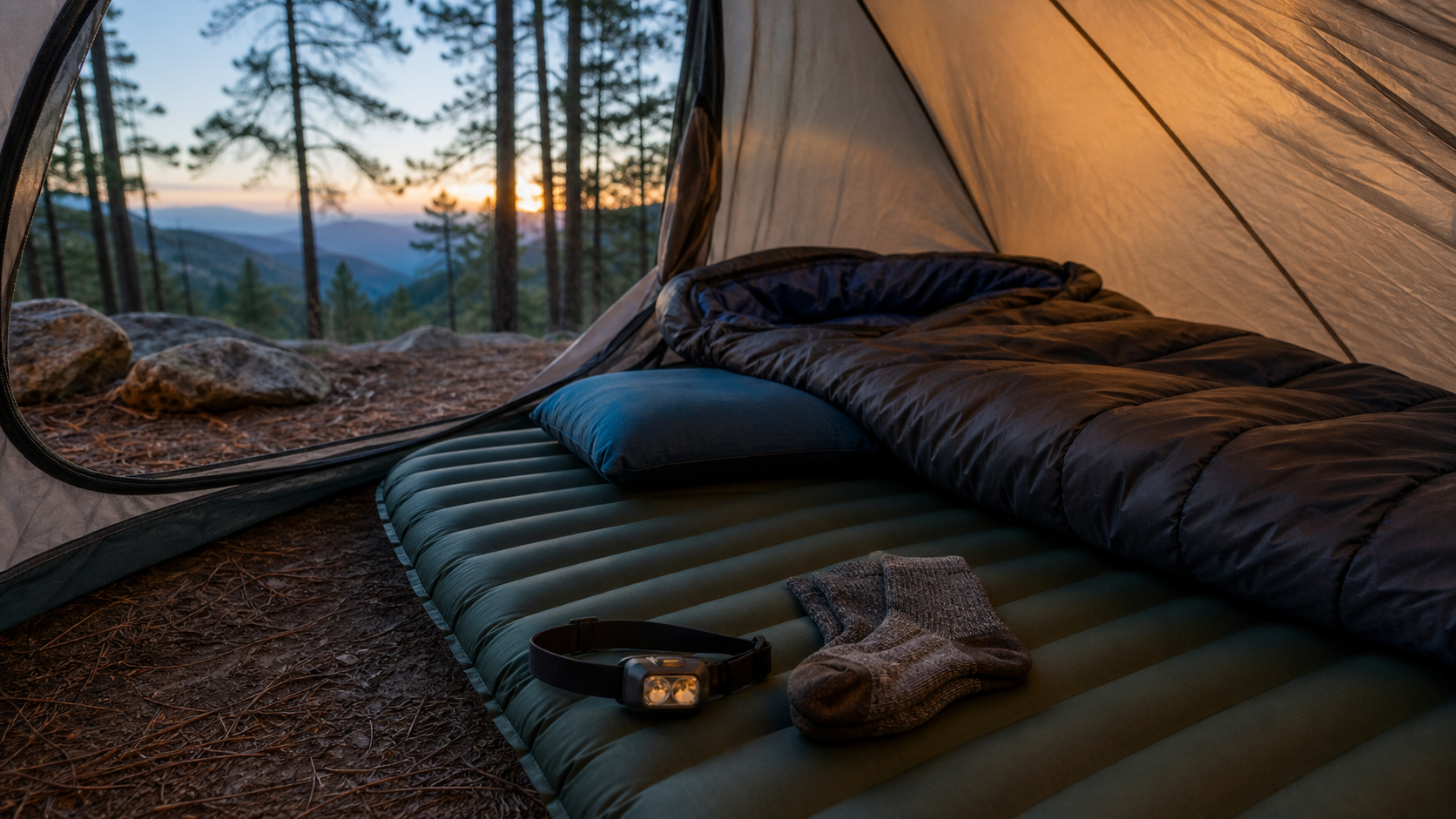
A warm sleeping bag cannot fix a poor pad, and a great pad cannot save a bag used below its comfort range. Sleep systems work best when the pieces are chosen together.

Quick verdict

Choose the pad first for ground insulation, then match the bag or quilt to expected nighttime lows. Small comfort upgrades often pay off more than shaving a few ounces.

What we looked for

For this camping piece, we focused on the details that matter on real weekends: packability, weather resistance, comfort after several hours of use, setup time, durability, and value. We favor gear that solves common trip problems without adding unnecessary bulk.

Pros

  • Pad insulation matters as much as bag warmth
  • A pillow improves repeat comfort on short trips
  • Vent options help in changing temperatures

Tradeoffs

  • Ultralight pads can be noisy
  • Wide setups may not fit every tent floor

Who it is for

This guide is written for travelers, hikers, and campers who want dependable gear for weekend trips, national park travel, car camping, and light backcountry use. It is not aimed at expedition specialists or people chasing the absolute lightest possible kit at any cost.

How to choose

  • Match the trip length. Weekend gear should be comfortable and repeatable, not just impressive on paper.
  • Check the failure points. Zippers, poles, straps, buckles, waterproof coatings, battery covers, and seams usually matter more than headline specs.
  • Think about storage. Good outdoor gear should be easy to dry, clean, recharge, repack, and use again next month.
  • Buy for your weather. A desert road trip, a wet shoulder-season hike, and a humid family campsite need different tradeoffs.

Update note

TrekBench reviews are updated when product lines, availability, field notes, or reader questions change. We keep older recommendations visible when they still explain useful buying decisions.

Author: TrekBench Editorial
Our editorial desk focuses on practical travel, camping, hiking, backpacks, footwear, apparel, and outdoor electronics for real-world trips.

How the Three Pieces Work Together

Your body loses heat in two directions at night: up into the air (managed by the bag or quilt) and down into the ground (managed by the pad). Ground loss is often underestimated, which is why a warm bag on a thin pad still feels cold.

Sleeping Pad R-Value

R-value measures resistance to heat flow. Since 2020, major manufacturers test pads with the ASTM F3340 standard, making ratings comparable across brands. Rough guidance: R 1–2 for warm summer nights, R 2–4 for three-season use, R 4–5+ for cold shoulder seasons and winter. R-values add when you stack pads, such as a closed-cell foam pad under an inflatable.

Sleeping Bag Temperature Ratings

Many bags use ISO 23537 (formerly EN 13537) ratings. The comfort rating is the temperature at which a typical cold sleeper is comfortable; the limit rating applies to a typical warm sleeper in a curled position. Choose based on the comfort rating if you sleep cold.

Down vs. Synthetic

DownSynthetic
Warmth-to-weightExcellentGood
Packed sizeSmallLarger
When dampLoses loft (less with treated down)Retains more warmth
PriceHigherLower

Pillows

An inflatable pillow weighs little and packs small; a stuff sack filled with a fleece works in a pinch. Side sleepers usually need more height.

Tips for Warmer Nights

  • Eat a snack with fat before bed.
  • Wear dry socks and a hat.
  • Vent the tent to reduce condensation.
  • Use a bag liner for extra warmth and cleanliness.
Posted on

Best Travel Daypacks for Airport-to-Trail Weekends

TrekBench Daypacks
Affiliate disclosure: TrekBench may earn a commission when readers buy through some merchant links. Our recommendations remain independently edited, and commissions do not affect verdicts.

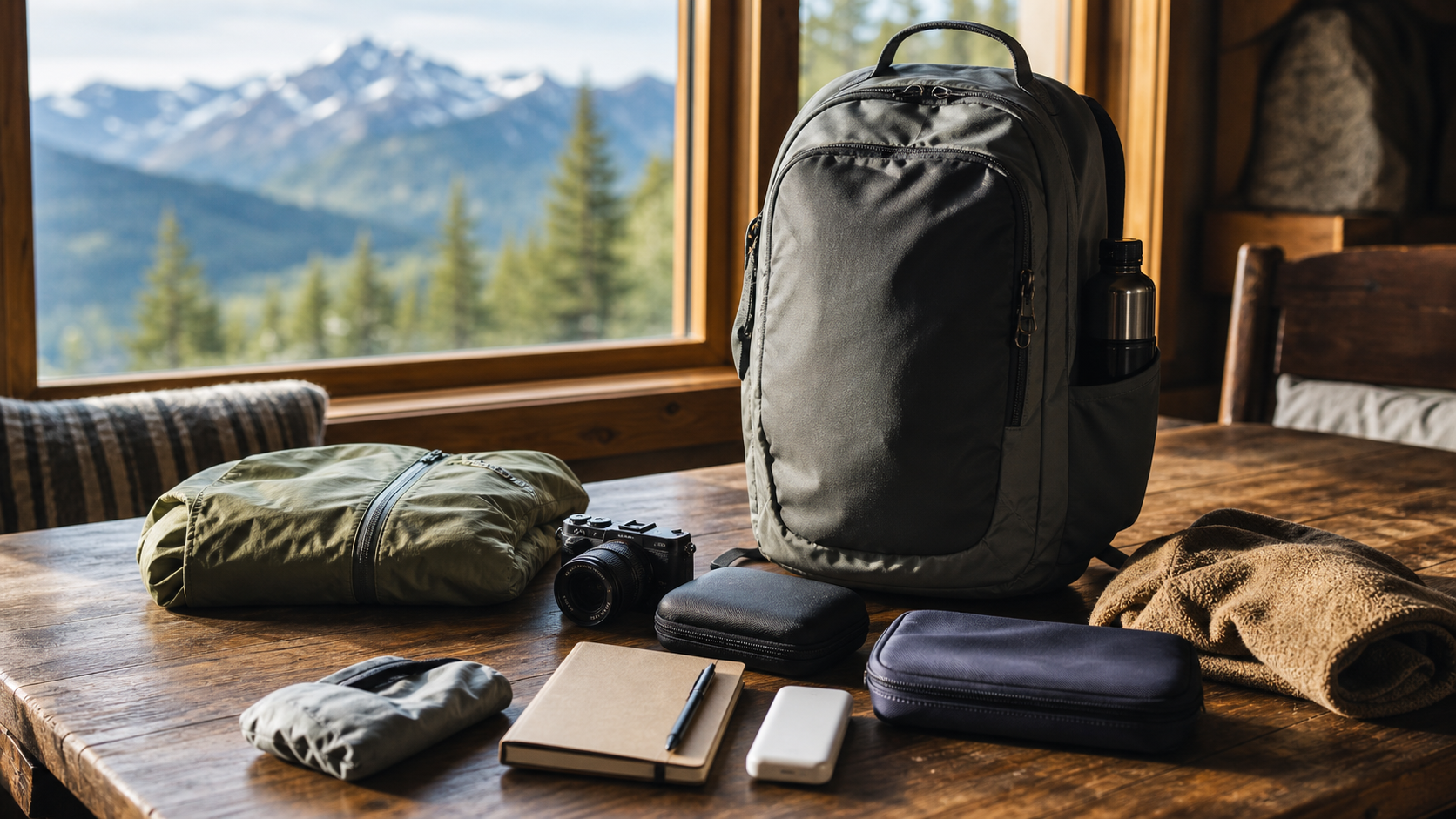
The best travel daypack is not always the most technical hiking pack. It needs to fit under a seat, carry a jacket and camera, and still feel comfortable on a trail overlook.

Quick verdict

Look for a 20-28L pack with clean organization, comfortable straps, and enough weather resistance for a wet transfer or trail afternoon.

What we looked for

For this buying-guides piece, we focused on the details that matter on real weekends: packability, weather resistance, comfort after several hours of use, setup time, durability, and value. We favor gear that solves common trip problems without adding unnecessary bulk.

Pros

  • Clamshell access helps with travel packing
  • A real water bottle pocket is still useful
  • Padded laptop sleeves can double as map storage

Tradeoffs

  • Too many admin pockets add weight
  • Pure hiking packs can look awkward in cities

Who it is for

This guide is written for travelers, hikers, and campers who want dependable gear for weekend trips, national park travel, car camping, and light backcountry use. It is not aimed at expedition specialists or people chasing the absolute lightest possible kit at any cost.

How to choose

  • Match the trip length. Weekend gear should be comfortable and repeatable, not just impressive on paper.
  • Check the failure points. Zippers, poles, straps, buckles, waterproof coatings, battery covers, and seams usually matter more than headline specs.
  • Think about storage. Good outdoor gear should be easy to dry, clean, recharge, repack, and use again next month.
  • Buy for your weather. A desert road trip, a wet shoulder-season hike, and a humid family campsite need different tradeoffs.

Update note

TrekBench reviews are updated when product lines, availability, field notes, or reader questions change. We keep older recommendations visible when they still explain useful buying decisions.

Author: TrekBench Editorial
Our editorial desk focuses on practical travel, camping, hiking, backpacks, footwear, apparel, and outdoor electronics for real-world trips.

What Makes a Good Travel Daypack

A travel daypack sits between a city backpack and a hiking pack. It should fit under an airline seat, carry a laptop or tablet on travel days, and carry a jacket, water, and snacks on the trail.

Key Features

  • Capacity: 18–28 liters is the sweet spot.
  • Under-seat size: many airlines’ personal item limits are around 18 x 14 x 8 inches; verify yours.
  • Hip belt or sternum strap: improves stability on trail.
  • Water bottle pockets: deep enough to hold a 1 L bottle securely.
  • Padded sleeve: useful for electronics in transit.
  • Materials: high-denier nylon or recycled polyester with water-resistant coating.

Pack Types

TypeGood forTrade-off
Hiking daypack (20–25 L)Trail comfort, ventilationLess organization for tech
Travel daypackAirports, cities, light trailsLess support for heavy loads
Packable daypackFolds into luggageMinimal structure

Security Tips

Lockable zippers and hidden pockets help in crowded areas. Keep passports and wallets in an internal pocket against your back.

Fit

Even small packs fit better when shoulder straps sit close to the neck without pressure and the load rides close to your back.

Posted on

Best Camping Lanterns for Family Campsites and Car Camping

Best Camping Lanterns for Family Campsites and Car Camping featured image

Affiliate disclosure: TrekBench may earn a commission from some merchant links. Our recommendations remain independently edited and commissions do not affect verdicts.

Author: Mara Collins · Last updated: Jul 8, 2026

A campsite lighting guide focused on runtime, light quality, charging, durability, and family-friendly usability.

Quick Verdict

The best camping lantern is easy to place, bright without glare, simple to recharge or refuel, and durable enough to survive busy camp tables.

What Matters Most

Runtime, warm light quality, weather resistance, stable base design, hanging options, and whether controls are easy to use in the dark.

For Family Campsites

Prioritize area lighting, lower-glare modes, stable construction, and enough runtime for dinner, cleanup, and late-night tent trips.

For Car Camping

Pack size matters less, so you can choose better light quality and longer runtime over minimal weight.

Who Should Avoid Oversized Lanterns

Backpackers and carry-on travelers should choose compact headlamps or small rechargeable lights instead.

Verdict

Good camp lighting quietly improves the whole trip. Buy for your campsite routine, not just maximum lumen numbers.

What Makes a Good Family Camping Lantern

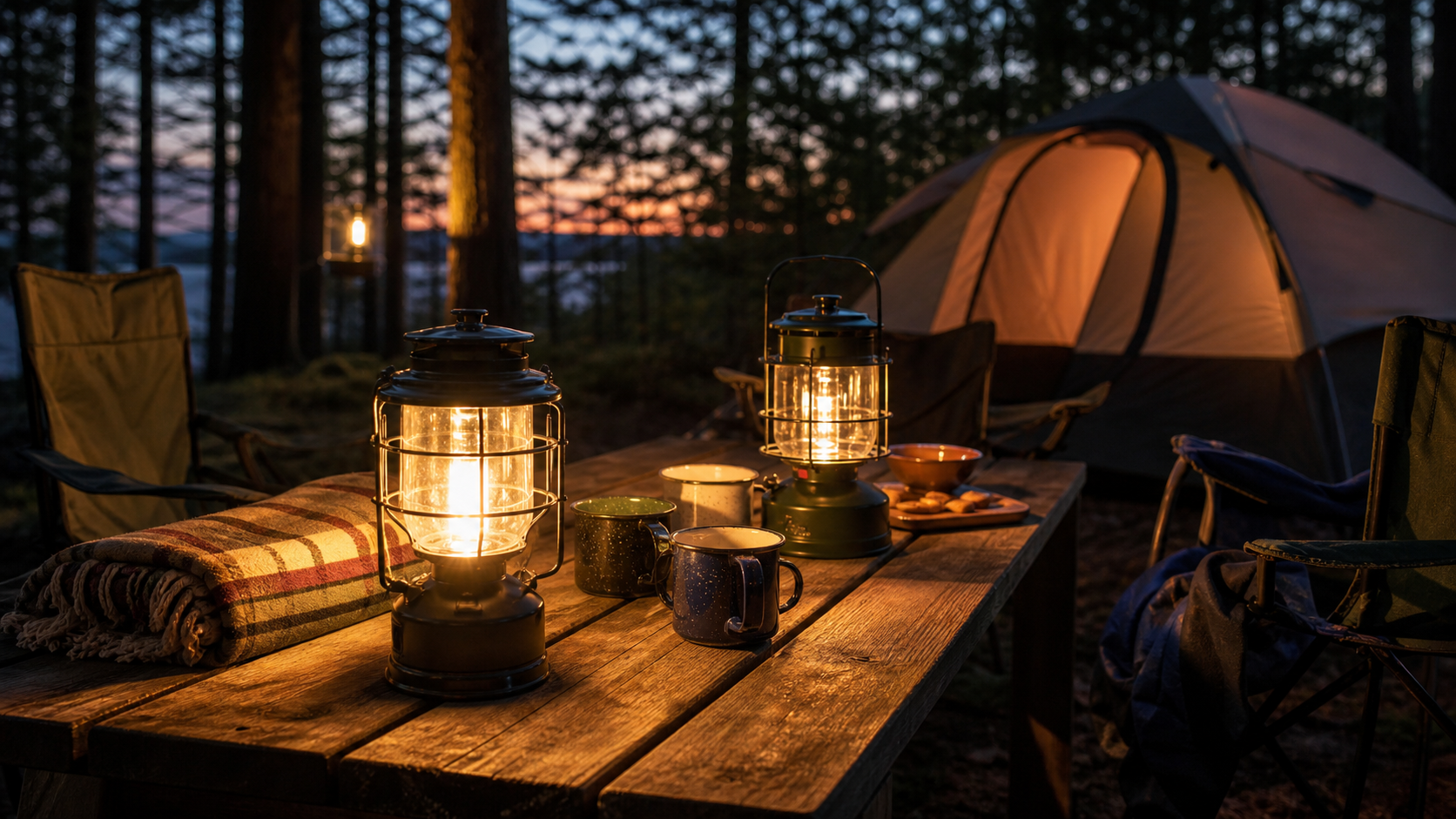
A lantern lights a picnic table, a tent, or a camp kitchen. For families, the most useful features are brightness range, battery life, and durability when knocked over by kids.

Specs That Matter

  • Lumens: 200–400 lumens lights a table; 500+ lights a wider area. Higher modes drain batteries quickly.
  • Run time: look at run time on the mode you’ll use most.
  • Power: rechargeable lithium-ion is convenient; AA/AAA backups help on long trips.
  • Color temperature: warm white light is easier on the eyes and attracts fewer insects than cool blue-white light.
  • Water resistance: IPX4 or higher handles rain.

Lantern Types

TypeBest for
Classic upright LED lanternTable and campsite light
Collapsible/inflatable solar lanternsPacking light, tent light
String lightsAmbient light around a shelter
Lantern + power bank comboCharging phones too

Safety Notes

LED lanterns are safer than fuel lanterns inside tents. Give kids their own headlamps rather than letting them carry the main lantern around.

Practical Tips

Hang lanterns from a tent loop or tree to spread light, charge them before you leave home, and keep a small headlamp for each family member.

FAQs

Is this recommendation independent? Yes. TrekBench recommendations are edited independently and affiliate relationships do not decide our verdicts.

How should I use this guide? Use it to shortlist gear, then compare fit, return policies, local conditions, and your actual trip needs.

Posted on

Best Rain Jackets for Hiking and Travel in Wet Weather

TrekBench Rain Jackets
Affiliate disclosure: TrekBench may earn a commission when readers buy through some merchant links. Our recommendations remain independently edited, and commissions do not affect verdicts.

Rain jackets live in the awkward middle ground between emergency shell and everyday travel layer. The best options pack small, vent well, and do not feel like plastic after thirty minutes uphill.

Quick verdict

Choose the jacket you will actually carry. For most hikers, reliable waterproofing plus breathability beats a feature-heavy shell that stays at home.

What we looked for

For this buying-guides piece, we focused on the details that matter on real weekends: packability, weather resistance, comfort after several hours of use, setup time, durability, and value. We favor gear that solves common trip problems without adding unnecessary bulk.

Pros

  • Pit zips or usable vents help on climbs
  • A protective hood matters more than pocket count
  • Packability makes the jacket more likely to be carried

Tradeoffs

  • Very light shells can feel clammy
  • Heavy shells may be overkill for summer travel

Who it is for

This guide is written for travelers, hikers, and campers who want dependable gear for weekend trips, national park travel, car camping, and light backcountry use. It is not aimed at expedition specialists or people chasing the absolute lightest possible kit at any cost.

How to choose

  • Match the trip length. Weekend gear should be comfortable and repeatable, not just impressive on paper.
  • Check the failure points. Zippers, poles, straps, buckles, waterproof coatings, battery covers, and seams usually matter more than headline specs.
  • Think about storage. Good outdoor gear should be easy to dry, clean, recharge, repack, and use again next month.
  • Buy for your weather. A desert road trip, a wet shoulder-season hike, and a humid family campsite need different tradeoffs.

Update note

TrekBench reviews are updated when product lines, availability, field notes, or reader questions change. We keep older recommendations visible when they still explain useful buying decisions.

Author: TrekBench Editorial
Our editorial desk focuses on practical travel, camping, hiking, backpacks, footwear, apparel, and outdoor electronics for real-world trips.

How Rain Jackets Keep You Dry

Most hiking rain jackets use a waterproof-breathable membrane or coating (such as GORE-TEX, eVent, or brand-specific options) protected by a face fabric treated with DWR. The jacket’s “construction” affects weight, durability and comfort:

  • 2-layer: membrane bonded to outer fabric with a hanging liner; comfortable, often heavier.
  • 2.5-layer: printed or sprayed protective layer inside; light and packable, less durable and can feel clammy.
  • 3-layer: membrane sandwiched between outer and inner fabric; most durable and breathable, usually most expensive.

Ratings

Manufacturers may quote waterproofness in millimeters (hydrostatic head) and breathability in g/m²/24h (MVTR). Testing methods vary, so compare within a brand rather than across brands.

Features That Matter

  • Adjustable hood that moves with your head
  • Pit zips for ventilation
  • Pockets placed above a hip belt
  • Packability for travel
  • PFC-free DWR (many brands have moved to it)

Hiking vs. Travel Use

For travel, a jacket with a less technical look, a longer cut, and softer fabric may be better. For hiking, prioritize ventilation and weight.

Care

Dirt and body oils reduce breathability. Wash with a technical cleaner and re-apply DWR when water stops beading on the surface.

Posted on

Best Lightweight 2-Person Tents for Backpacking Trips

TrekBench Tents
Affiliate disclosure: TrekBench may earn a commission when readers buy through some merchant links. Our recommendations remain independently edited, and commissions do not affect verdicts.

A good two-person backpacking tent should be light enough to carry, roomy enough to sleep in, and simple enough to pitch when the weather turns. This guide explains the tradeoffs that matter before a weekend trip.

Quick verdict

Most weekend hikers should prioritize a stable freestanding or semi-freestanding shelter with dependable rain coverage before chasing the lowest possible weight.

What we looked for

For this buying-guides piece, we focused on the details that matter on real weekends: packability, weather resistance, comfort after several hours of use, setup time, durability, and value. We favor gear that solves common trip problems without adding unnecessary bulk.

Pros

  • Good balance of packed weight and livable space
  • Simple pitch matters when daylight is fading
  • Ventilation and vestibule space improve wet-weather comfort

Tradeoffs

  • Ultralight fabrics need more careful handling
  • Budget tents often trade weight for durability

Who it is for

This guide is written for travelers, hikers, and campers who want dependable gear for weekend trips, national park travel, car camping, and light backcountry use. It is not aimed at expedition specialists or people chasing the absolute lightest possible kit at any cost.

How to choose

  • Match the trip length. Weekend gear should be comfortable and repeatable, not just impressive on paper.
  • Check the failure points. Zippers, poles, straps, buckles, waterproof coatings, battery covers, and seams usually matter more than headline specs.
  • Think about storage. Good outdoor gear should be easy to dry, clean, recharge, repack, and use again next month.
  • Buy for your weather. A desert road trip, a wet shoulder-season hike, and a humid family campsite need different tradeoffs.

Update note

TrekBench reviews are updated when product lines, availability, field notes, or reader questions change. We keep older recommendations visible when they still explain useful buying decisions.

Author: TrekBench Editorial
Our editorial desk focuses on practical travel, camping, hiking, backpacks, footwear, apparel, and outdoor electronics for real-world trips.

What to Compare in a Two-Person Backpacking Tent

  • Weight: many lightweight two-person tents fall roughly between 1 and 2 kg; “minimum trail weight” excludes stakes and stuff sacks, so look at packaged weight too.
  • Floor area and shape: tapered floors save weight but reduce space at the feet.
  • Peak height: matters if you sit up to change or play cards.
  • Doors and vestibules: two doors and two vestibules avoid climbing over a partner.
  • Freestanding vs. semi-freestanding vs. trekking-pole supported: freestanding is easier to pitch on rock or platforms; pole-supported tents are lightest but need staking and practice.

Fabrics

Tents use coated nylon or polyester, with denier (D) indicating thread thickness. Lower denier saves weight but is more fragile. Dyneema Composite Fabric is extremely light and doesn’t sag when wet, but costs much more.

Weather Considerations

ConditionWhat helps
WindLower profile, more guy-out points
RainFull-coverage fly, quality seams
CondensationVents, mesh inner, pitching away from water

Two People, Real Space

Two standard 20-inch pads fit in most two-person tents; wide pads may not. If you are tall or want room, a “plus” model or three-person tent may be worth the weight.

Footprint

A footprint protects thin floors from abrasion. A sheet of polycryo is a light, cheap alternative.

Posted on

Best Hiking Backpacks for Weekend Trips: 30-45L Picks

Best Hiking Backpacks for Weekend Trips: 30-45L Picks featured image

Affiliate disclosure: TrekBench may earn a commission from some merchant links. Our recommendations remain independently edited and commissions do not affect verdicts.

Author: Mara Collins · Last updated: Jul 24, 2026

A practical TrekBench guide to weekend hiking backpacks, focused on comfort, capacity, pocket layout, durability, and real trip suitability.

Quick Verdict

For most weekend hikers, a 30-45L backpack is the sweet spot: large enough for layers, food, water, safety gear, and a compact overnight kit, but small enough to discourage overpacking.

What We Look For

We prioritize carry comfort, usable capacity, hipbelt support, ventilation, pocket access, fabric durability, rain protection, and whether the pack still feels organized after a real trail day.

Who It Is For

Weekend hikers, light campers, hut-to-hut travelers, and people building a practical outdoor kit before moving into heavier backpacking.

Who Should Avoid

Ultralight thru-hikers and winter campers may need more specialized volume, frame support, or weather protection.

Research Summary

Our framework compares loaded comfort, shoulder pressure, hipbelt transfer, bottle access, wet-weather readiness, and how easily the pack handles changing layers on trail.

Verdict

Choose the pack that carries your real load comfortably, not the one with the most pockets or the loudest launch claims.

Why 30–45 Liters Works for Weekends

With modern compact sleeping bags, pads and shelters, 30–45 liters is enough for one or two nights in mild weather. Larger packs are better for winter, bulky gear, or carrying shared group gear.

Fit Comes First

Measure your torso length from the C7 vertebra to the top of your hip bones (iliac crest). Choose a pack size or adjustable harness that matches that measurement. Hip belt fit matters: most of the load should rest on your hips.

Frame and Suspension

TypeProsCons
Framed with suspended mesh backVentilation, comfortHeavier, less space
Framed, close-contact backStabilitySweatier
FramelessVery lightNeeds light loads and careful packing

Features Worth Having

  • Hip-belt pockets for snacks and phone
  • Large stretch front pocket for a rain jacket
  • Side pockets that hold bottles reachable while walking
  • Hydration sleeve
  • Compression straps

Packing Tips

Put heavy items close to your back and between your shoulder blades, sleeping bag at the bottom, and rain gear on top or in the front pocket.

Warranty

Brands like Osprey, Gregory, REI, and Deuter offer warranties of varying scope; check the current terms when comparing similar packs.

FAQs

Is this recommendation independent? Yes. TrekBench recommendations are edited independently and affiliate relationships do not decide our verdicts.

How should I use this guide? Use it to shortlist gear, then compare fit, return policies, local conditions, and your actual trip needs.