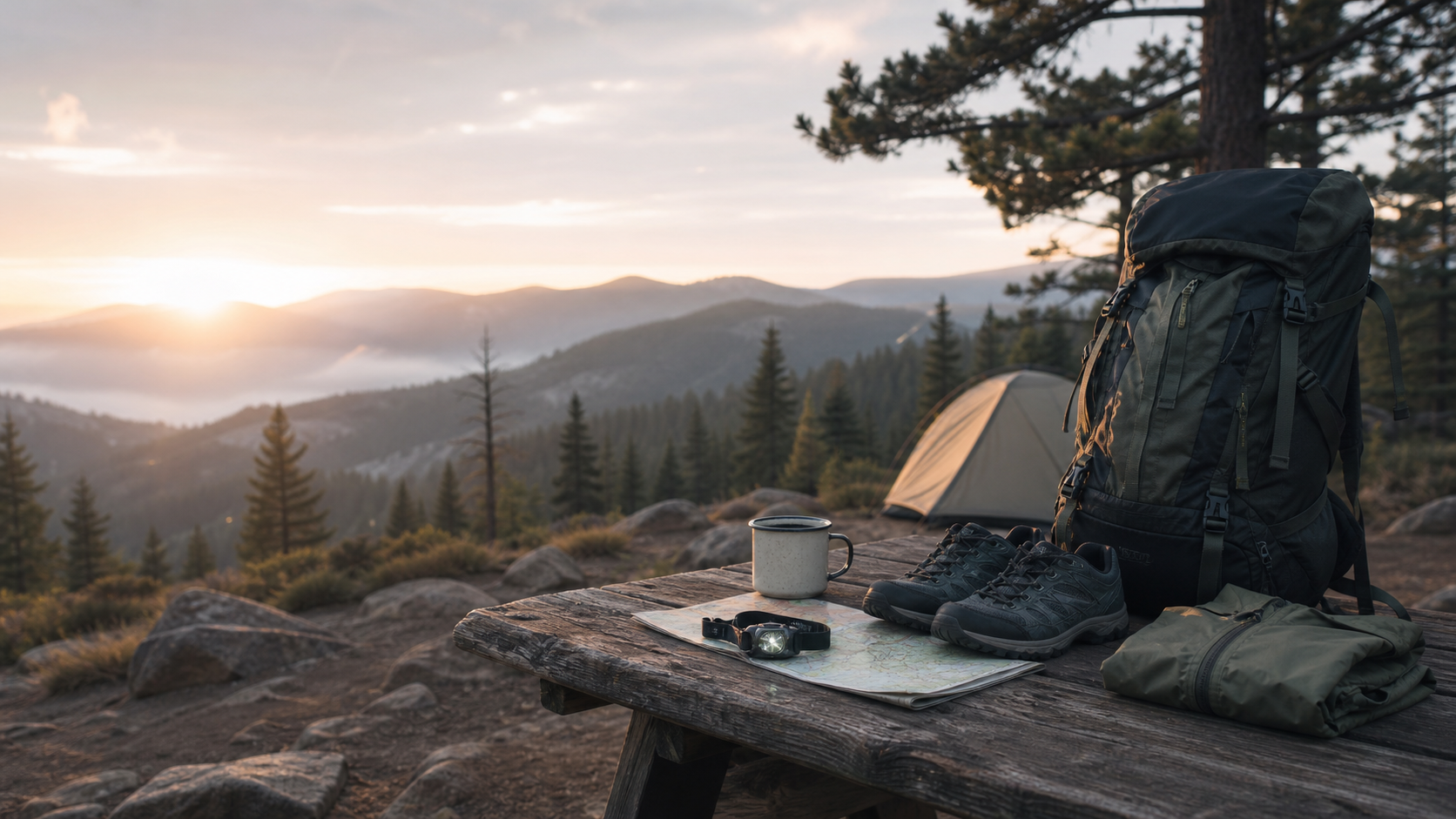
Weekend trips are where packing habits are built. A smart kit covers safety, weather, food, water, and comfort without turning every trail into a load-carrying workout.
Quick verdict
Build around the forecast, route length, and bail-out options. Keep the kit familiar, then adjust one or two items after each trip instead of reinventing the pack every time.
What we looked for
For this hiking piece, we focused on the details that matter on real weekends: packability, weather resistance, comfort after several hours of use, setup time, durability, and value. We favor gear that solves common trip problems without adding unnecessary bulk.
Pros
- A repeatable checklist lowers decision fatigue
- Layering beats carrying one bulky spare item
- Small repair items solve common problems
Tradeoffs
- Fear packing adds unnecessary weight
- Underpacking water is still the bigger mistake
Who it is for
This guide is written for travelers, hikers, and campers who want dependable gear for weekend trips, national park travel, car camping, and light backcountry use. It is not aimed at expedition specialists or people chasing the absolute lightest possible kit at any cost.
How to choose
- Match the trip length. Weekend gear should be comfortable and repeatable, not just impressive on paper.
- Check the failure points. Zippers, poles, straps, buckles, waterproof coatings, battery covers, and seams usually matter more than headline specs.
- Think about storage. Good outdoor gear should be easy to dry, clean, recharge, repack, and use again next month.
- Buy for your weather. A desert road trip, a wet shoulder-season hike, and a humid family campsite need different tradeoffs.
Update note
TrekBench reviews are updated when product lines, availability, field notes, or reader questions change. We keep older recommendations visible when they still explain useful buying decisions.
Start With the Ten Essentials
The “Ten Essentials” framework, popularized by The Mountaineers, is the best checklist for avoiding both under-packing and over-packing: navigation, headlamp, sun protection, first aid, knife/repair kit, fire, shelter (emergency), extra food, extra water, and extra clothes. Weekend trips add sleep and cooking systems on top.
A Weekend Kit by Category
Carry
A 35–50 liter pack is enough for most weekend overnights with modern gear. If your gear does not fit, the solution is usually lighter, more compressible items, not a bigger pack.
Shelter and Sleep
Tent or tarp, sleeping bag or quilt rated near the expected low, and a sleeping pad with an R-value suited to the season (R 2–3 for summer, R 4+ for shoulder seasons).
Clothing
One set of hiking clothes, one warm insulating layer, a rain shell, dry sleep socks, a hat and gloves when nights drop below about 10°C/50°F. Skip the “just in case” second outfit.
Kitchen
Canister stove, one pot, a spoon, lighter, and meals planned by count. Repackage food out of bulky boxes.
Water
Two 1-liter bottles or a reservoir plus a filter or purification tablets. Check water sources on your map to avoid carrying more weight than needed.
Common Over-packing Traps
- Too many clothes: layers you can combine beat separate outfits.
- Full-size toiletries: decant into small containers.
- Extra cookware: one pot covers most meals.
- Duplicated tools: one small knife, one light.
- Excess water: carry what you need between known sources.
The Shakedown Habit
After each trip, sort gear into three piles: used, used only for safety, and not used. Keep the first two. Reconsider the third. This habit, more than any purchase, reduces pack weight over time.
Leave a Trip Plan
Share your route, expected return, and a “call for help” time with someone at home. It is the lightest safety item you can carry.
A compact treatment method belongs in a lean weekend kit; compare your options in our guide to water filters vs purification tablets.