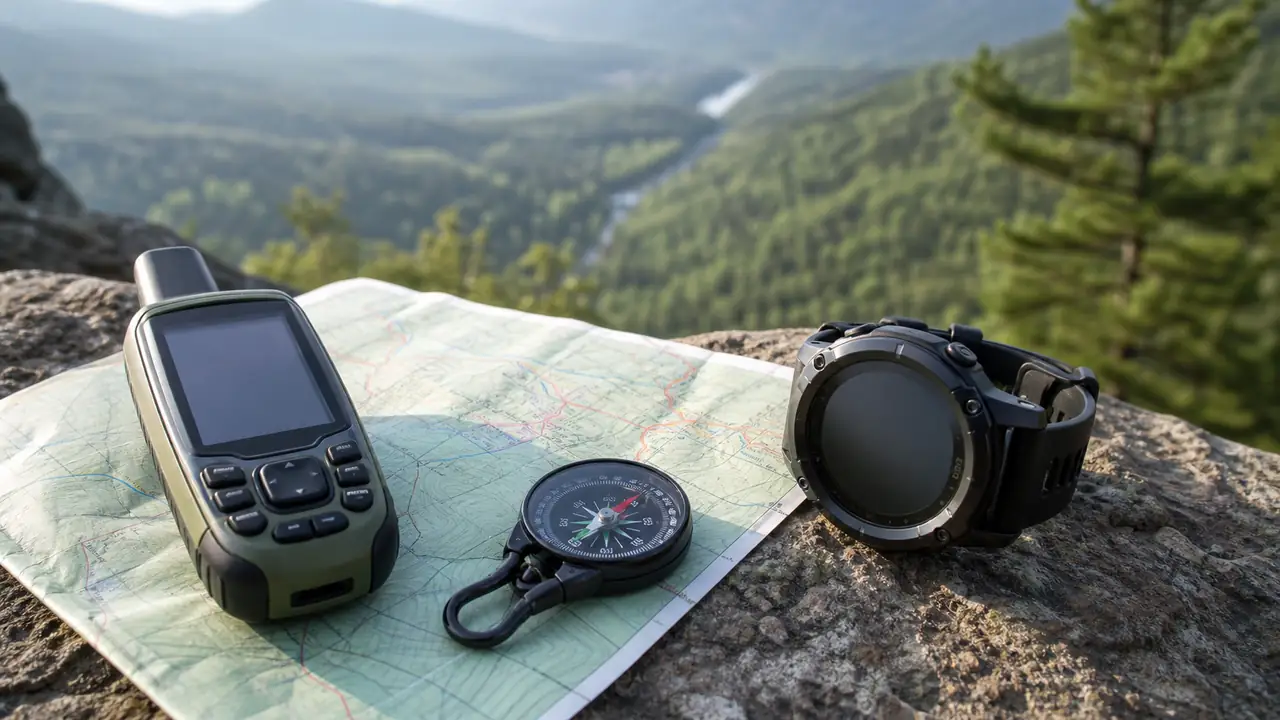
Outdoor electronics should make trips safer and easier, not create another pile of batteries and subscriptions. Budget gear can work well when chosen for a specific job.
Quick verdict
Start with a reliable headlamp, offline maps, a small power bank, and a weather-aware plan. Add satellite messaging only when the route risk justifies it.
What we looked for
For this outdoor-electronics piece, we focused on the details that matter on real weekends: packability, weather resistance, comfort after several hours of use, setup time, durability, and value. We favor gear that solves common trip problems without adding unnecessary bulk.
Pros
- Headlamps and power banks deliver high value
- Offline maps are often more useful than premium hardware
- Emergency communication is worth planning early
Tradeoffs
- Cheap lights may have poor waterproofing
- Subscription devices require ongoing costs
Who it is for
This guide is written for travelers, hikers, and campers who want dependable gear for weekend trips, national park travel, car camping, and light backcountry use. It is not aimed at expedition specialists or people chasing the absolute lightest possible kit at any cost.
How to choose
- Match the trip length. Weekend gear should be comfortable and repeatable, not just impressive on paper.
- Check the failure points. Zippers, poles, straps, buckles, waterproof coatings, battery covers, and seams usually matter more than headline specs.
- Think about storage. Good outdoor gear should be easy to dry, clean, recharge, repack, and use again next month.
- Buy for your weather. A desert road trip, a wet shoulder-season hike, and a humid family campsite need different tradeoffs.
Update note
TrekBench reviews are updated when product lines, availability, field notes, or reader questions change. We keep older recommendations visible when they still explain useful buying decisions.
Building a Budget Electronics Kit by Priority
Outdoor electronics fall into three groups: safety (light, navigation, emergency communication), power (batteries and charging), and convenience (speakers, cameras, gadgets). Spend first on safety, then on power, and only then on convenience.
1. Headlamp
A headlamp is the single most useful electronic item on any trip. Look for at least 300 lumens, a red-light mode to preserve night vision, and a lockout feature so it does not switch on in your pack. Rechargeable models are convenient, but a model that also accepts AAA batteries gives you a backup if you cannot charge.
2. Power Bank
A 10,000 mAh power bank recharges most phones about two times, enough for a weekend. Real usable capacity is lower than the label because of conversion losses, often around 60–70% for the phone. Choose USB-C input and output so one cable charges everything, and check airline rules if flying: most carriers allow power banks under 100 Wh in carry-on only.
3. Navigation
Your phone with offline maps downloaded (from apps such as Gaia GPS, AllTrails, or CalTopo) is a capable navigation tool. Put the phone in airplane mode to save battery; GPS still works without cell signal.
4. Emergency Communication
For trips beyond cell coverage, consider a satellite messenger or personal locator beacon. Some newer phones offer emergency satellite messaging in supported regions; check your model before assuming coverage.
5. Camp Lighting
A small rechargeable lantern or a headlamp wrapped around a water bottle (“lantern hack”) lights a tent or picnic table well.
Cold Weather and Battery Care
Lithium-ion batteries lose capacity in the cold. Keep phones and power banks in an inside pocket during the day and in your sleeping bag at night. Avoid charging lithium batteries below freezing.
Simple Checklist
- Headlamp (charged) + spare batteries or cable
- Power bank 10,000 mAh + short USB-C cable
- Phone with offline maps and downloaded route
- Satellite communicator or PLB for remote routes
- Small dry bag for electronics