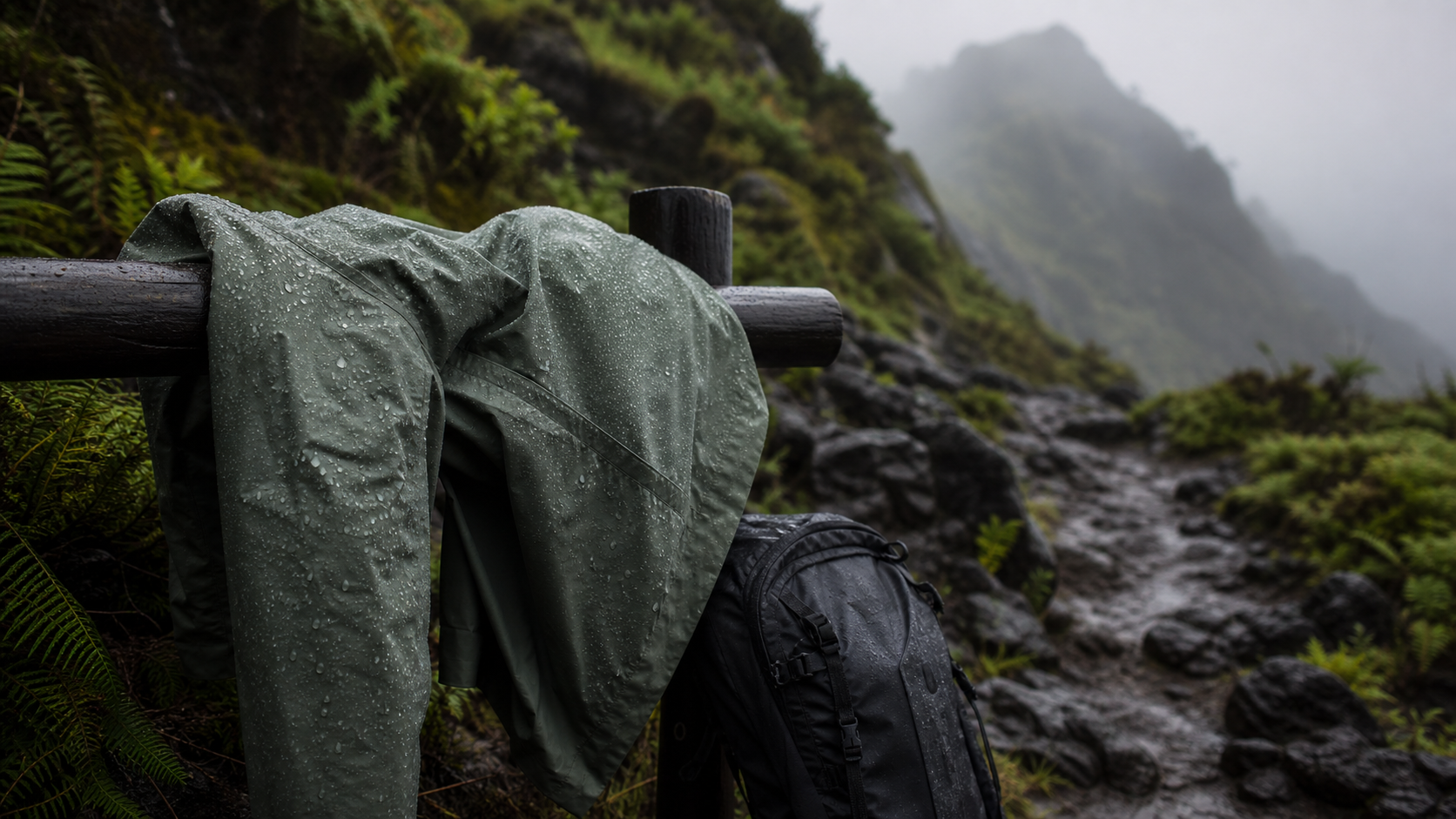
Posted on

Best Rain Jackets for Hiking and Travel in Wet Weather

TrekBench Rain Jackets
Affiliate disclosure: TrekBench may earn a commission when readers buy through some merchant links. Our recommendations remain independently edited, and commissions do not affect verdicts.

Rain jackets live in the awkward middle ground between emergency shell and everyday travel layer. The best options pack small, vent well, and do not feel like plastic after thirty minutes uphill.

Quick verdict

Choose the jacket you will actually carry. For most hikers, reliable waterproofing plus breathability beats a feature-heavy shell that stays at home.

What we looked for

For this buying-guides piece, we focused on the details that matter on real weekends: packability, weather resistance, comfort after several hours of use, setup time, durability, and value. We favor gear that solves common trip problems without adding unnecessary bulk.

Pros

  • Pit zips or usable vents help on climbs
  • A protective hood matters more than pocket count
  • Packability makes the jacket more likely to be carried

Tradeoffs

  • Very light shells can feel clammy
  • Heavy shells may be overkill for summer travel

Who it is for

This guide is written for travelers, hikers, and campers who want dependable gear for weekend trips, national park travel, car camping, and light backcountry use. It is not aimed at expedition specialists or people chasing the absolute lightest possible kit at any cost.

How to choose

  • Match the trip length. Weekend gear should be comfortable and repeatable, not just impressive on paper.
  • Check the failure points. Zippers, poles, straps, buckles, waterproof coatings, battery covers, and seams usually matter more than headline specs.
  • Think about storage. Good outdoor gear should be easy to dry, clean, recharge, repack, and use again next month.
  • Buy for your weather. A desert road trip, a wet shoulder-season hike, and a humid family campsite need different tradeoffs.

Update note

TrekBench reviews are updated when product lines, availability, field notes, or reader questions change. We keep older recommendations visible when they still explain useful buying decisions.

Author: TrekBench Editorial
Our editorial desk focuses on practical travel, camping, hiking, backpacks, footwear, apparel, and outdoor electronics for real-world trips.

How Rain Jackets Keep You Dry

Most hiking rain jackets use a waterproof-breathable membrane or coating (such as GORE-TEX, eVent, or brand-specific options) protected by a face fabric treated with DWR. The jacket’s “construction” affects weight, durability and comfort:

  • 2-layer: membrane bonded to outer fabric with a hanging liner; comfortable, often heavier.
  • 2.5-layer: printed or sprayed protective layer inside; light and packable, less durable and can feel clammy.
  • 3-layer: membrane sandwiched between outer and inner fabric; most durable and breathable, usually most expensive.

Ratings

Manufacturers may quote waterproofness in millimeters (hydrostatic head) and breathability in g/m²/24h (MVTR). Testing methods vary, so compare within a brand rather than across brands.

Features That Matter

  • Adjustable hood that moves with your head
  • Pit zips for ventilation
  • Pockets placed above a hip belt
  • Packability for travel
  • PFC-free DWR (many brands have moved to it)

Hiking vs. Travel Use

For travel, a jacket with a less technical look, a longer cut, and softer fabric may be better. For hiking, prioritize ventilation and weight.

Care

Dirt and body oils reduce breathability. Wash with a technical cleaner and re-apply DWR when water stops beading on the surface.
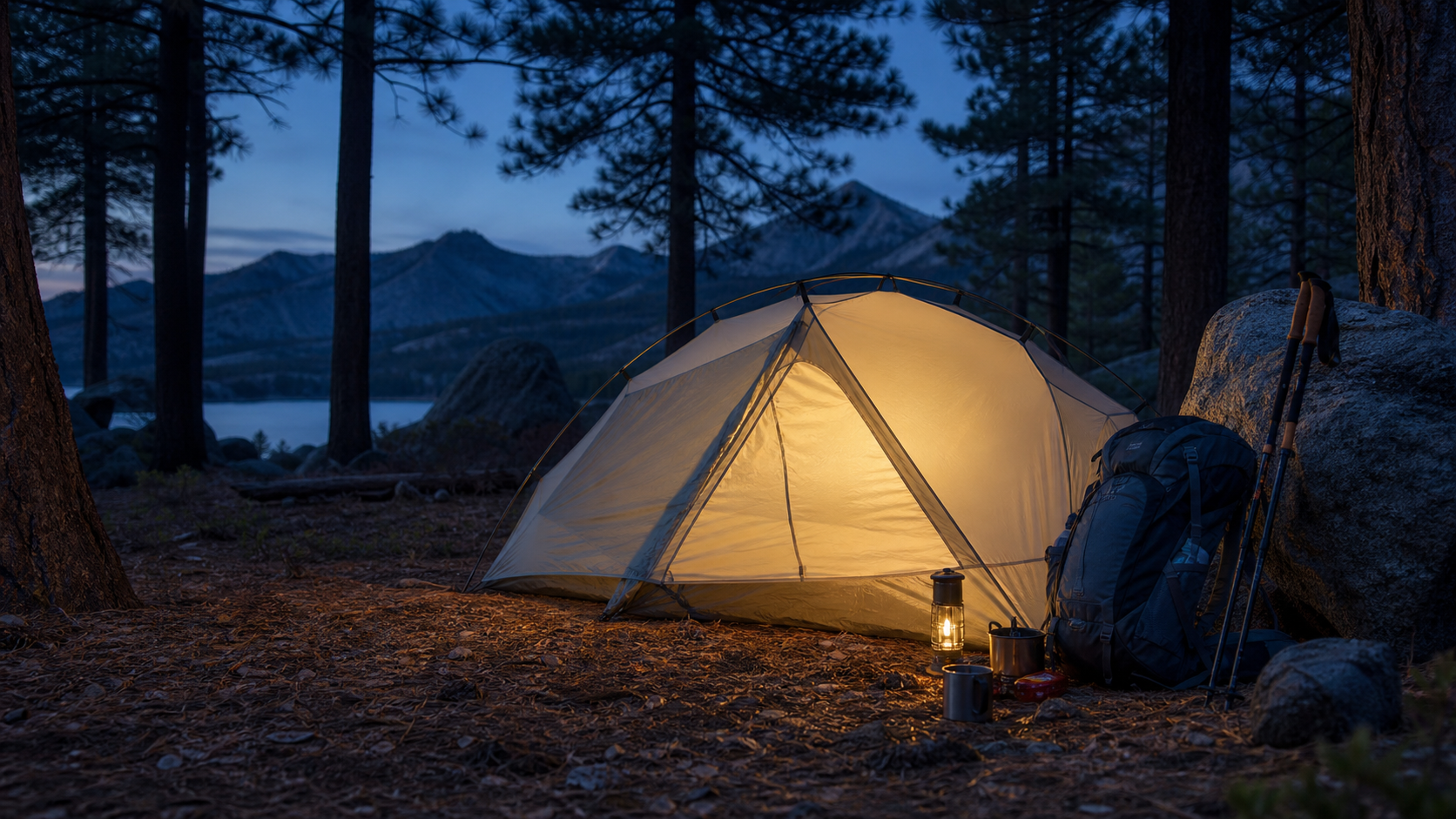
Posted on

Best Lightweight 2-Person Tents for Backpacking Trips

TrekBench Tents
Affiliate disclosure: TrekBench may earn a commission when readers buy through some merchant links. Our recommendations remain independently edited, and commissions do not affect verdicts.

A good two-person backpacking tent should be light enough to carry, roomy enough to sleep in, and simple enough to pitch when the weather turns. This guide explains the tradeoffs that matter before a weekend trip.

Quick verdict

Most weekend hikers should prioritize a stable freestanding or semi-freestanding shelter with dependable rain coverage before chasing the lowest possible weight.

What we looked for

For this buying-guides piece, we focused on the details that matter on real weekends: packability, weather resistance, comfort after several hours of use, setup time, durability, and value. We favor gear that solves common trip problems without adding unnecessary bulk.

Pros

  • Good balance of packed weight and livable space
  • Simple pitch matters when daylight is fading
  • Ventilation and vestibule space improve wet-weather comfort

Tradeoffs

  • Ultralight fabrics need more careful handling
  • Budget tents often trade weight for durability

Who it is for

This guide is written for travelers, hikers, and campers who want dependable gear for weekend trips, national park travel, car camping, and light backcountry use. It is not aimed at expedition specialists or people chasing the absolute lightest possible kit at any cost.

How to choose

  • Match the trip length. Weekend gear should be comfortable and repeatable, not just impressive on paper.
  • Check the failure points. Zippers, poles, straps, buckles, waterproof coatings, battery covers, and seams usually matter more than headline specs.
  • Think about storage. Good outdoor gear should be easy to dry, clean, recharge, repack, and use again next month.
  • Buy for your weather. A desert road trip, a wet shoulder-season hike, and a humid family campsite need different tradeoffs.

Update note

TrekBench reviews are updated when product lines, availability, field notes, or reader questions change. We keep older recommendations visible when they still explain useful buying decisions.

Author: TrekBench Editorial
Our editorial desk focuses on practical travel, camping, hiking, backpacks, footwear, apparel, and outdoor electronics for real-world trips.

What to Compare in a Two-Person Backpacking Tent

  • Weight: many lightweight two-person tents fall roughly between 1 and 2 kg; “minimum trail weight” excludes stakes and stuff sacks, so look at packaged weight too.
  • Floor area and shape: tapered floors save weight but reduce space at the feet.
  • Peak height: matters if you sit up to change or play cards.
  • Doors and vestibules: two doors and two vestibules avoid climbing over a partner.
  • Freestanding vs. semi-freestanding vs. trekking-pole supported: freestanding is easier to pitch on rock or platforms; pole-supported tents are lightest but need staking and practice.

Fabrics

Tents use coated nylon or polyester, with denier (D) indicating thread thickness. Lower denier saves weight but is more fragile. Dyneema Composite Fabric is extremely light and doesn’t sag when wet, but costs much more.

Weather Considerations

ConditionWhat helps
WindLower profile, more guy-out points
RainFull-coverage fly, quality seams
CondensationVents, mesh inner, pitching away from water

Two People, Real Space

Two standard 20-inch pads fit in most two-person tents; wide pads may not. If you are tall or want room, a “plus” model or three-person tent may be worth the weight.

Footprint

A footprint protects thin floors from abrasion. A sheet of polycryo is a light, cheap alternative.