Affiliate disclosure: TrekBench may earn a commission from some merchant links. Our recommendations remain independently edited and commissions do not affect verdicts.
Author: Nina Hart · Last updated: Jul 11, 2026
A practical backpack comparison focused on suspension, ventilation, pocket access, weekend load comfort, and trip fit.
Comparison Verdict
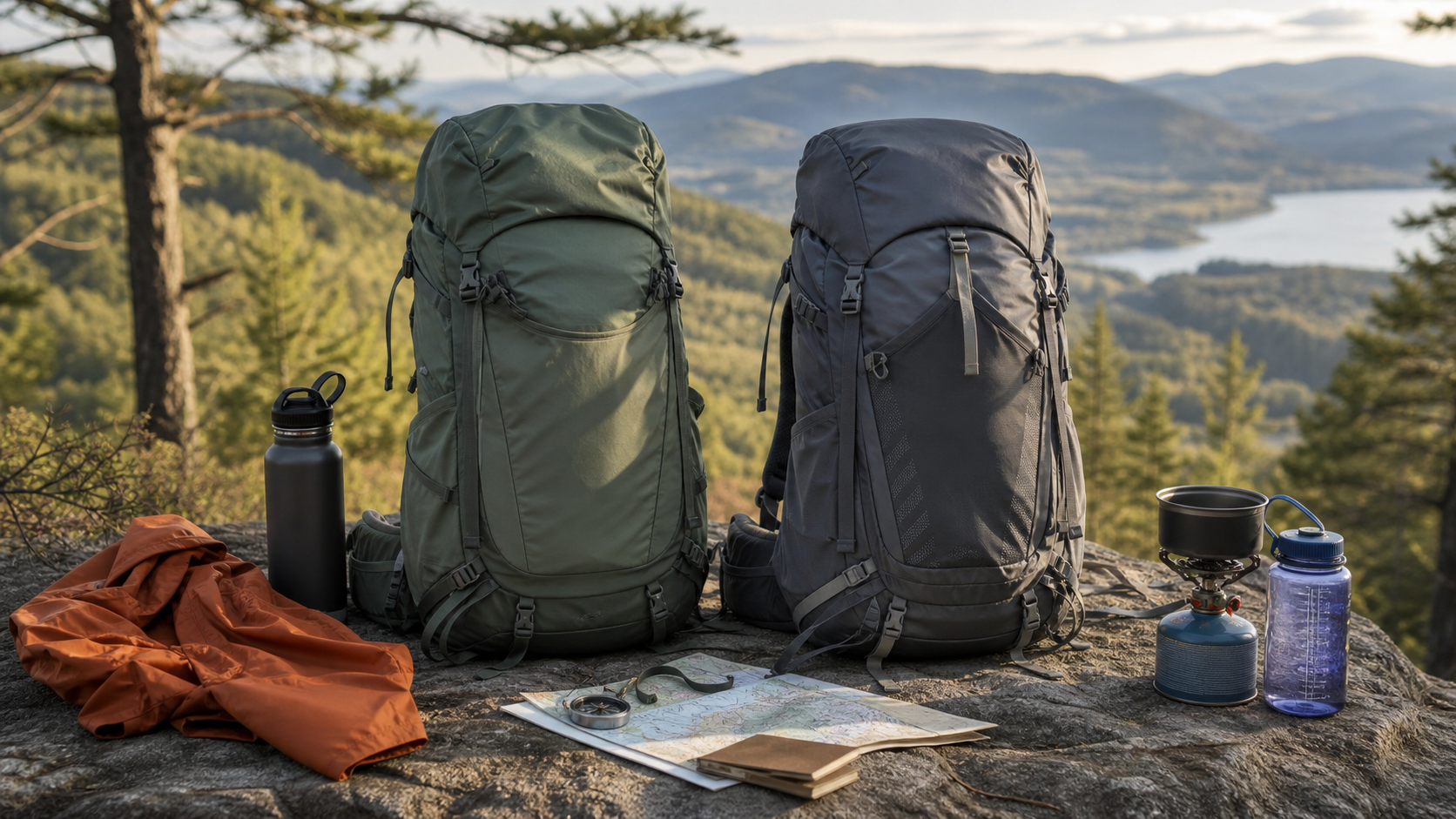
One pack style favors nimble day hiking and lighter weekends; the other favors more structure and comfort under a fuller load.
Carry Comfort
A good comparison starts with load transfer. Shoulder comfort, hipbelt wrap, back-panel shape, and ventilation matter more than listed volume alone.
Pocket Layout
We look for bottle access, hipbelt usefulness, lid organization, rain layer storage, and whether essentials can be reached without unpacking everything.
Who Should Choose a Lighter Pack
Choose the more agile design if you hike faster, pack simply, and rarely carry bulky camp gear.
Who Should Choose More Structure
Choose the more supportive design if you carry camera gear, extra layers, family items, or weekend camping basics.
Verdict
The better pack is the one that matches your normal load, not the one that looks cleaner when empty.
The Packs in Context
The Osprey Talon and Gregory Zulu sit in a similar slot: ventilated, mid-weight daypacks and weekend packs, commonly sold in sizes from about 22 to 44 liters (Talon) and 30 to 55 liters (Zulu), with men’s and women’s versions (Osprey Tempest for women’s Talon; Gregory Jade/Maya family for women). The core difference is philosophy. The Talon is lighter and more minimal, with a close-to-back frame. The Zulu prioritizes ventilation and load carry, using a tensioned mesh back panel that holds the pack away from your body.
Suspension and Carry Comfort
The Talon uses a lightweight frame sheet and an AirScape-style back panel with foam ridges. It hugs the body, which helps stability on scrambles and fast hiking. The Zulu’s FreeFloat-style suspension and trampoline mesh panel creates an air gap, which keeps your back cooler in hot weather and spreads heavier loads well. Listing data suggests the Zulu is typically heavier than a Talon of similar volume, which matters if you care about base weight.
Pockets and Organization
- Talon: stretch front pocket, hip-belt pockets, side pockets, and features like Osprey’s Stow-on-the-Go trekking pole attachment.
- Zulu: more structured hip belt and often larger hip-belt pockets, top lid on larger sizes, side pockets, and hydration sleeve.
- Both are hydration-compatible; check whether the reservoir is included (usually not).
Fit Matters More Than the Logo
Torso length, not your height, determines pack size. Measure from the C7 vertebra (the bony bump at the base of your neck) to the top of your hip bones. Many Talon models offer adjustable torso lengths within a size; Zulu sizing varies by model year. A pack that fits correctly puts most of the weight on your hips, not your shoulders.
Who Should Choose Which
| Priority | Better match |
|---|---|
| Low weight, fast hiking, scrambling | Osprey Talon |
| Hot weather, sweaty back | Gregory Zulu |
| Heavier loads (water, overnight gear) | Gregory Zulu |
| Minimal, close-fitting carry | Osprey Talon |
Warranty and Longevity
Osprey’s All Mighty Guarantee covers repair of damage or defects for any reason, and Gregory offers a limited lifetime warranty against manufacturing defects. Read current terms on each brand’s site, since coverage details can change. Either way, the best predictor of durability is matching the pack to the load; overstuffing a lightweight pack strains seams and zippers.
FAQs
Is this recommendation independent? Yes. TrekBench recommendations are edited independently and affiliate relationships do not decide our verdicts.
How should I use this guide? Use it to shortlist gear, then compare fit, return policies, local conditions, and your actual trip needs.