Posted on

Best Ultralight 2-Person Tent (2026): Weight, Space & Pitch Guide

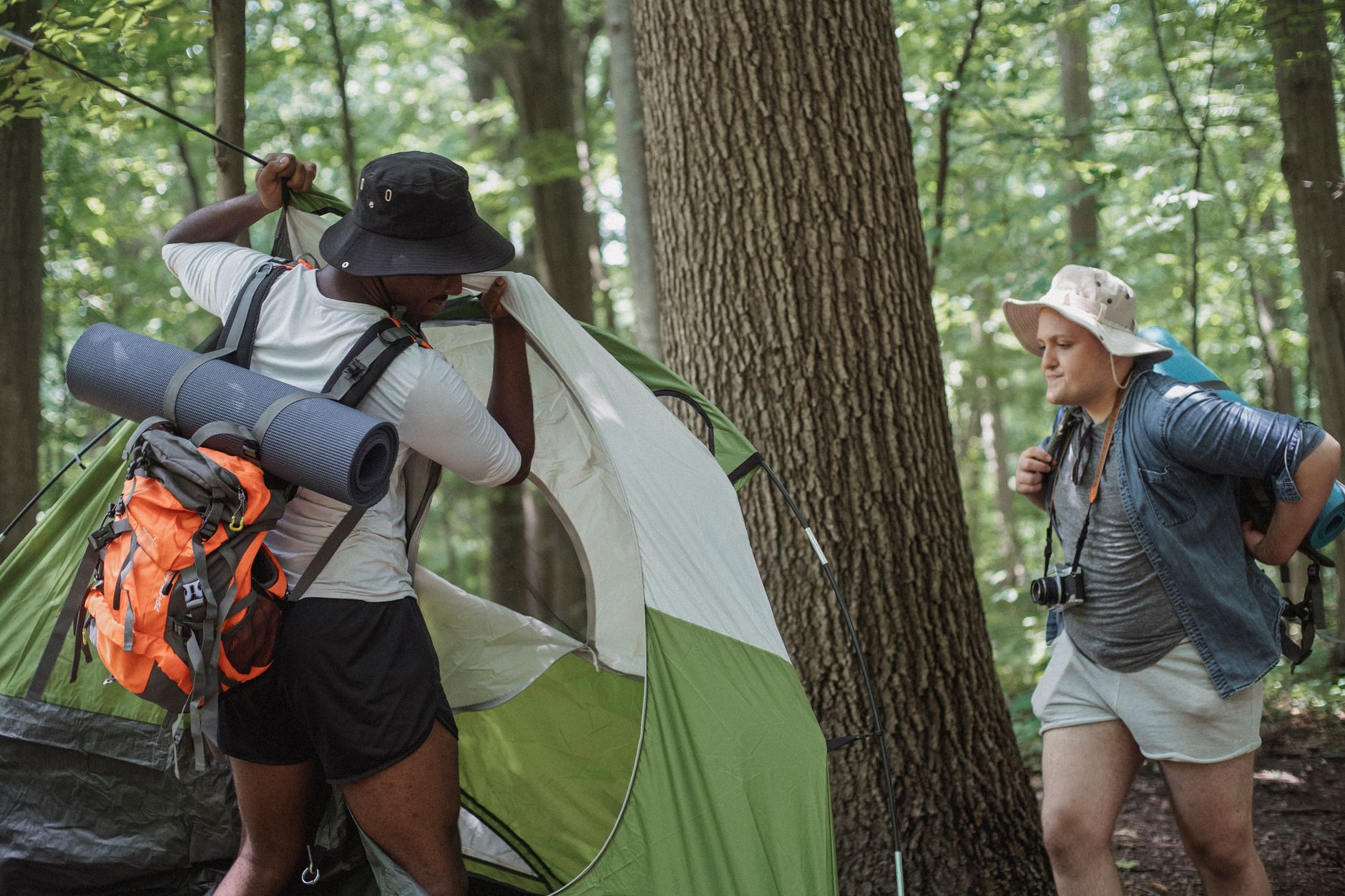
Backpackers setting up a lightweight two-person tent in the woods

Disclosure: TrekBench may earn a commission from qualifying purchases at no extra cost to you. We have not field-tested these tents ourselves. Picks are based on manufacturer specifications (checked 2026-10-29, Asia/Shanghai), published expert roundups we cite by name, and recurring owner discussions (including Reddit). Always verify weight, dimensions, and price on the maker’s page before you buy.

Choosing the best ultralight tent 2 person shoppers actually keep is less about crowning one “winner” and more about matching pitch style, floor width, and condensation behavior to your routes. Freestanding domes win on rock and wooden platforms; trekking-pole shelters cut ounces if you already carry poles; single-wall Dyneema shelters chase the lightest published weights at premium prices. This guide is a research buying framework—not a trail test report.

Quick Answer: Best Ultralight 2-Person Tents at a Glance

For most couples who already hike with poles, published specs and 2026 roundups repeatedly put double-wall trekking-pole shelters such as the Durston X-Mid 2 near the top for space-per-ounce and price. Gram-counters often look at the Zpacks Duplex Classic for the lowest widely cited shelter weight. If you need freestanding pitch on rock or platforms, start with the Big Agnes Copper Spur UL2. Confirm live weights and MSRPs on maker pages before you buy.

ModelBest forPitchWallsPublished weightFloorPeakApprox. MSRPSpec source (checked 2026-10-29)
Durston X-Mid 2Most couples / partnersTrekking-poleDoubleComplete 31.3 oz / 890 g (fly + inner; stakes extra for “typical setup”)33.2 sq ft; 92 × 52 in48 inAbout $319 USDdurstongear.com
Zpacks Duplex ClassicLightest widely cited 2P shelterTrekking-poleSingle (DCF)17.8 oz / 504 g (guylines + taped seams; stakes not included)28.1 sq ft; 45 in × 7.5 ft48 inAbout $749 USDzpacks.com
Big Agnes Copper Spur UL2Freestanding ultralightFreestandingDoubleTrail 2 lb 10 oz; packaged 3 lb (REI / BA retailers)29 sq ft; 88 × 52/42 in40 inAbout $599.95 USDbigagnes.com / REI spec sheet
NEMO Hornet Elite OSMO 2PLight double-wall without trekking-pole pitchSemi-freestandingDoubleMinimum 1 lb 11 oz / 779 g; packed 2 lb 1 oz / 935 g27.3 sq ft; 85 × 50/42 in37 inAbout $650 USD (confirm live 2P price)nemoequipment.com
3F UL Gear Lanshan 2 ProBudget trekking-pole entryTrekking-poleSingleMaker-listed body ~870–877 g minimum; packed trail weight higher with stakes/sackListings vary; confirm seller sheetVaries by listingBudget band (~€144+ / seller-dependent USD)lanshanhike.com + seller listing

Weight legend: makers use different labels—minimum, trail, complete, packed. Compare only like with like, and note whether stakes, poles, and guylines are included.

Our Picks (Research-Based Candidates)

Best overall for most couples: Durston X-Mid 2

Why it is here: Among researched double-wall trekking-pole 2P tents, Durston publishes an unusually complete weight breakdown and a roomy rectangular floor that fits the “two adults, two pads” brief better than many tapered UL floors. Multiple 2026 editorial roundups (for example CleverHiker’s two-person callouts and Kit Authority’s researched list) keep X-Mid family shelters near the top for space and value—without this article treating those pages as TrekBench trail tests.

Key specs (maker, checked 2026-10-29): complete tent 31.3 oz / 890 g (fly 18.8 oz + inner 12.5 oz); floor 33.2 sq ft at 92 × 52 in; peak 48 in; dual vestibules 11.5 sq ft each; packed size 12 × 6 in; MSRP $319 USD; factory waterproofed seams; 15D sil/PE polyester fly. Source: durstongear.com.

Pros & tradeoffs from published coverage: Owners and editors often praise the offset geometry, dual doors, and stormworthy panel angles. Tradeoffs include a larger footprint than tiny freestanding UL tents and a stake-dependent pitch—poor stake purchase on rock or platforms is a recurring reason people choose freestanding instead.

Who should skip it: Hikers who refuse to carry or borrow trekking poles, or who camp mostly on wooden platforms and granite.

Lightest 2-person shelter: Zpacks Duplex Classic

Why it is here: If the brief is “lightest 2 person tent” among widely sold ultralight shelters, Zpacks’ published 17.8 oz / 504 g figure (guylines and taped seams; stakes excluded) is the usual reference point. Expect single-wall condensation management and a Dyneema price.

Key specs (maker, checked 2026-10-29): 17.8 oz / 504 g as displayed for the Classic; floor 28.1 sq ft with 45 in width and 7.5 ft length; peak 48 in; two 48 in poles; overlapping storm doors; taped seams (no seam sealing required per Zpacks); MSRP $749 USD. Source: zpacks.com.

Pros & tradeoffs: Tiny packed volume and industry-leading published weight. Floor width at 45 in is tighter for two ~25 in wide pads than Durston’s 52 in rectangle—Reddit threads about 2P UL tents repeatedly flag pad squeeze. An optional Flex Kit (~13.9 oz) can add freestanding capability when stakes are impossible.

Who should skip it: Couples who want double-wall condensation separation or who need two wide rectangular pads without overlap.

Best freestanding ultralight: Big Agnes Copper Spur UL2 (HyperBead)

Why it is here: When campsites are rock slabs, sand, or wooden platforms, freestanding architecture matters more than the last few ounces. The Copper Spur UL2 remains the mainstream freestanding UL reference, with HyperBead fabric claims published by Big Agnes (lighter, more waterproof, stronger vs prior fabrics—manufacturer claims, not TrekBench measurements).

Key specs (retailer/maker sheets, checked 2026-10-29): minimum trail weight 2 lb 10 oz; packaged weight 3 lb; floor 29 sq ft at 88 × 52/42 in; peak 40 in; dual doors and dual vestibules (~9 + 9 sq ft); packed size about 19.5 × 4 in; about $599.95 USD. Sources: bigagnes.com and REI technical specs.

Pros & tradeoffs: Fast, forgiving pitch and dual side doors. Heavier and pricier than trekking-pole double-wall options at similar capacity; peak height is lower than X-Mid / Duplex published peaks.

Who should skip it: Thru-hikers optimizing every ounce who already carry poles and camp on soft ground.

Lightest double-wall / semi-freestanding: NEMO Hornet Elite OSMO 2P

Why it is here: Shoppers who want a double-wall tent without learning trekking-pole geometry often land on semi-freestanding designs. NEMO’s published minimum weight for the Elite OSMO 2P sits well under many freestanding UL trail weights.

Key specs (maker, checked 2026-10-29): minimum weight 1 lb 11 oz / 779 g; packed weight 2 lb 1 oz / 935 g; floor 27.3 sq ft at 85 × 50/42 in; peak 37 in; semi-freestanding; two doors / two vestibules; OSMO ripstop fly/floor; Divvy Cube stuff sack. Source: nemoequipment.com. Price bands seen around ~$650 USD for 2P—confirm the live 2P MSRP on the product page or a trusted retailer.

Pros & tradeoffs: Very low published double-wall weight and partner-friendly pack splitting. Floor tapers and peak height are modest; published reviews (Switchback Travel, Treeline Review) commonly note a tight fit for two adults with wide pads—cite those sites if you quote comfort impressions, rather than inventing TrekBench nights out.

Who should skip it: Couples who prioritize sitting headroom and rectangular floor width over gram savings.

Best budget trekking-pole entry: 3F UL Gear Lanshan 2 Pro

Why it is here: Budget ultralight lists almost always include a Lanshan variant. It is a useful “price-band” pick—not a premium materials pick. OutdoorGearLab and Better Trail have published hands-on reviews you can read separately; this article only uses maker/seller specs plus those named secondary sources.

Key specs (seller/maker pages, recheck at purchase): single-wall trekking-pole shelter; manufacturer-listed body around ~870–877 g depending on fabric year/variant; two poles ~120–125 cm; dual doors; silnylon or silpoly options in 2025/2026 listings; seam sealing required before wet use unless you buy a sealed service. Sources: lanshanhike.com, retailer sheets such as HikeWare’s SilPoly listing.

Pros & tradeoffs: Low cash outlay for a true trekking-pole UL shape. Condensation, QC variability across sellers, and mandatory seam sealing are the honest costs of entry. Do not treat a sealed premium DCF shelter and an unsealed budget silnylon shelter as equivalent.

Who should skip it: Buyers who want factory-taped seams, U.S. brand warranty networks, or double-wall comfort out of the box.

Optional near-ultralight freestanding comfort

If your routes favor freestanding comfort and you can accept weights above the stricter UL shortlist, roomier freestanding backpacking tents such as the MSR Hubba Hubba LT 2 often appear in “best 2-person backpacking tent” lists rather than pure ultralight lists. Treat them as a step-up comfort class: verify the live trail weight against whatever UL ceiling you set for your own kit.

How We Researched (Not Field-Tested)

  • Manufacturer product pages for Durston, Zpacks, Big Agnes, NEMO, and Lanshan seller sheets (primary specs; checked 2026-10-29, Asia/Shanghai).
  • Named editorial roundups for context only: CleverHiker, Treeline Review, OutdoorGearLab, Kit Authority, OutdoorCrunch—quoted as their claims, not ours.
  • Recurring themes from Reddit communities such as r/Ultralight and r/backpacking: condensation on single-wall shelters, pad width squeeze, platform camping with trekking-pole tents.
  • No TrekBench trail nights, hose tests, or lab measurements were performed for this article.

What “Ultralight” Means for a 2-Person Tent

Trail weight vs packed / complete weight

Trail or minimum weight usually excludes stuff sacks, some stakes, or repair kits. Packed or complete weight is closer to what leaves the trailhead. Durston’s page helpfully separates fly, inner, complete tent, and a “typical setup” with stakes—use that kind of breakdown whenever a brand publishes it.

A practical range (editorial guideline, not a standard)

There is no single industry statute for “ultralight 2P.” Many 2026 roundups cluster competitive shelters roughly around or under about 2.5–3 lb trail weight, while DCF single-wall options can sit near 1–1.5 lb shelter-only. Heavier freestanding backpacking tents can still be excellent—they simply may not belong on an ultralight shortlist. State your own ceiling before comparing MSRPs.

Freestanding vs Trekking-Pole vs Semi-Freestanding

Freestanding (Copper Spur UL2 class): best when stake purchase is poor—granite, wooden platforms, hardpan, or crowded sites where you need to move the tent after pitching.

Trekking-pole / non-freestanding (X-Mid, Duplex, Lanshan): best when you already carry poles and camp on soft ground. Practice the pitch at home; wet, windy first nights are a common owner complaint when the first pitch is on trail.

Semi-freestanding (Hornet Elite class): poles create most of the structure, but corners or vestibules still need stakes. A middle path—not a free pass on rocky ledges.

Single-Wall vs Double-Wall (and Condensation)

Double-wall designs keep most condensation on the fly, away from your bag, and usually ventilate more predictably in humid weather. Single-wall shelters save weight and pack smaller, but owners on r/Ultralight frequently report wipe-downs and careful venting—especially with DCF in humid climates. Neither wall type “wins” universally; match the climate you actually hike.

Buying Guide: Specs That Matter for Two People

Floor width (not just square footage)

Two 25 in pads need about 50 in of usable width without overlap. A 45 in Duplex-style floor can work with mummy pads and discipline; a 52 in X-Mid-style rectangle is simply more forgiving. Square footage alone hides taper.

Peak height and sitting room

Published peaks from the mid-30s to 48 in change how two people change layers. Lower peaks feel tighter with bulky winter bags.

Vestibules and dual doors

Dual doors reduce crawl-over fights. Vestibule area decides whether wet packs live outside the sleep space.

Fabric: DCF vs silpoly / silnylon

DCF (Dyneema Composite Fabric) stays light and does not soak up water weight the way nylon can, at a steep price. Silpoly resists sag better than classic silnylon when wet (a reason Durston highlights polyester). Budget silnylon shelters can work well after proper seam sealing and tensioning habits.

Packed size and load-splitting

Trekking-pole tents without dedicated polesets often pack into short cylinders. Freestanding polesets make longer, skinnier rolls. Divvy-style sacks (as NEMO markets) help partners split fly and body.

Price bands and when Dyneema is worth it

Rough editorial bands as of late 2026 research: budget silnylon/silpoly trekking-pole shelters; mid-price silpoly double-wall trekking-pole tents around the X-Mid MSRP; premium freestanding UL around $600; premium DCF shelters often $700+. Pay for DCF when the ounce savings change a route or body constraint—not because the fabric name is fashionable.

Who Should Buy a 2P Ultralight Tent (and Who Should Size Up)

Buy a true UL 2P if both sleepers accept a compact floor, you count ounces for multi-day routes, and you will practice pitching. Size up to a 2P+ / 3P—or choose a roomier “lightweight” freestanding tent—if you use wide rectangular pads, travel with a dog, or treat camp as a living room. The Reddit meme that “the best 2P tent for a couple is often a 3P” is comfort advice, not a reason to ignore UL constraints when weight is the actual bottleneck. For mainstream lightweight (not ultralight) shopping, see our earlier guide on best lightweight 2-person tents for backpacking trips.

Related Guides

FAQ

What is the best ultralight 2-person tent? For most backpackers who already carry trekking poles, research roundups in 2026 repeatedly highlight double-wall trekking-pole shelters like the Durston X-Mid 2 for space-per-ounce and price. Gram-counters often prefer the Zpacks Duplex Classic for lowest published weight. If you need freestanding pitch on rock or platforms, look at the Big Agnes Copper Spur UL2. Verify current weights and prices on maker pages before buying.

What is the lightest 2-person tent? Among widely cited ultralight 2P shelters, Zpacks lists the Duplex Classic at 17.8 oz (504 g) with guylines and taped seams (stakes not included)—check zpacks.com on your publish or purchase date. Expect single-wall condensation tradeoffs and a premium Dyneema price versus silpoly double-wall options.

Can two adults actually fit in an ultralight 2-person tent? Yes, but check floor width, not only square footage. Many UL 2P floors taper or sit near ~45 inches wide (tight for two ~25" pads). Roomier published floors (for example Durston’s 52" X-Mid 2 width per durstongear.com) fit couples more comfortably. Tall or broad sleepers often size up or choose a 2P+ / 3P.

Are trekking-pole tents worth it? If you hike with poles, yes for many: the poles replace a dedicated poleset and cut weight. Tradeoffs are stake-dependent pitch and weaker performance on rock slabs, sand, or wooden platforms where freestanding or semi-freestanding designs win. Practice pitching at home before a wet trail night.

Freestanding vs non-freestanding: which should I buy? Choose freestanding when campsites have poor stake purchase (granite, platforms, hardpan) or you want faster, more forgiving setup. Choose non-freestanding / trekking-pole when every ounce matters and you camp on soft ground. Semi-freestanding designs sit in between—still need some stakes.

Single-wall vs double-wall: which is better for ultralight? Double-wall keeps most condensation on the fly, away from your bag, and often ventilates better in humid weather. Single-wall saves weight and packs smaller but needs active venting and wipe-downs on damp nights—a frequent r/Ultralight complaint with DCF shelters in humid climates.

Is a Dyneema (DCF) tent worth the money? Only if the ounce savings matter more than cash. DCF shelters like the Duplex are often roughly half the weight of popular silpoly double-wall 2P tents but can cost more than twice as much (compare live MSRPs). For most weekend pairs, a well-reviewed silpoly/silnylon double-wall tent is the better value.

Do I need to seam-seal an ultralight tent? It depends on the model. Zpacks states Duplex seams are taped and need no sealing; Durston states X-Mid 2 seams are factory waterproofed. Budget shelters such as many Lanshan Pro variants often require user seam sealing before wet trips—follow the maker’s instructions and hose-test at home.

Sources

  • Durston Gear — X-Mid 2 product page — https://durstongear.com/products/x-mid-2-tent-ultralight-backpacking
  • Zpacks — Duplex Classic — https://zpacks.com/products/duplex-tent
  • Big Agnes — Copper Spur UL Two — https://www.bigagnes.com/products/copper-spur-ul-two
  • REI — Big Agnes Copper Spur UL2 technical specs — https://www.rei.com/product/245273/big-agnes-copper-spur-ul2-tent
  • NEMO — Hornet Elite OSMO — https://www.nemoequipment.com/products/hornet-elite-osmo
  • Lanshan / 3F UL Gear seller pages — https://lanshanhike.com/products/lanshan-2-pro
  • CleverHiker — Best Ultralight Tents of 2026 — https://www.cleverhiker.com/backpacking/best-ultralight-tarps-and-tents/
  • Treeline Review — Best Ultralight Tents of 2026 — https://www.treelinereview.com/gearreviews/best-ultralight-tents
  • OutdoorGearLab — Best Ultralight Tents — https://www.outdoorgearlab.com/topics/camping-and-hiking/best-ultralight-tent
  • Kit Authority — Best ultralight backpacking tents (researched, not hands-on tested) — https://kitauthority.com/hike/best-ultralight-tents
  • Cover photo: Kamaji Ogino / Pexels — https://www.pexels.com/photo/traveling-men-in-shorts-and-hats-setting-up-camping-tent-in-woods-5065187/

Last updated: 2026-10-29 (Asia/Shanghai). Specs and prices drift—recheck maker pages before purchase.
Posted on

Softshell Jacket vs Wind Shirt for Travel and Hiking

TrekBench Midlayers
Affiliate disclosure: TrekBench may earn a commission from some merchant links. Our recommendations remain independently edited and commissions do not affect verdicts.

Softshells and wind shirts both handle shoulder-season movement, but they differ in breathability, weather resistance, packed size, and comfort.

What matters on a real trip

  • Comfort and usability after the first hour matter more than novelty features.
  • Common failure points include zippers, buckles, locks, seams, coatings, battery doors, and charging ports.
  • Packed size and storage determine whether the item comes on the next trip.
  • Weather and cleaning needs should match the conditions readers actually face.
  • Value means reliable repeat use, not only the lowest checkout price.

Buying notes

We focus on the parts that affect repeat use: comfort after the first hour, setup friction, packed size, weather tolerance, durability at common failure points, cleaning and storage, and whether the item makes sense for weekend travel rather than expedition-only use.

Who should consider it

This article is written for hikers, campers, and travelers who want practical outdoor gear for weekends, road trips, light backpacking, and national-park style travel. Readers planning remote expeditions should use this as a starting point and check specialist guidance before relying on any single item.

TrekBench verdict

A wind shirt is the better small-layer choice; a softshell is better when abrasion and light weather matter more.

Author: TrekBench Editorial
Our editorial desk covers travel, camping, hiking, packs, footwear, apparel, and outdoor electronics for real-world trips.

How Each Layer Works

A wind shirt is an ultralight, thin nylon or polyester shell, often under 150 grams, with a durable water repellent (DWR) finish. It blocks wind, sheds light drizzle, and breathes well. A softshell is a heavier, stretchy woven fabric, sometimes with a light fleece backing. It is more abrasion-resistant and warmer, handles light snow and wind, and moves freely, but packs larger.

Comparison

FactorWind shirtSoftshell
Weight / packed sizeVery light, fist-sizedHeavier, bulkier
BreathabilityHighModerate to high
WarmthMinimalSome, especially brushed backers
DurabilityFragile around brush/rockTough, stretchy
RainLight drizzle onlyLight rain only
Best forFast hiking, running, emergency layerClimbing, cold dry days, travel

Neither Is a Rain Jacket

Both rely on DWR, which wears off with use and dirt. For sustained rain you still need a waterproof-breathable shell. Many hikers carry a wind shirt plus a rain shell, because the combination covers more conditions than a softshell alone.

Travel Considerations

For city-to-trail trips, softshells look more like regular jackets and resist wrinkles, which makes them easy to wear on a plane and at dinner. Wind shirts are better when every gram counts or when you need a layer that stuffs into a pocket.

Care Tips

  • Wash with technical fabric cleaner, not regular detergent with softeners.
  • Restore water repellency with a spray-on or wash-in DWR treatment and, if the label allows, low heat in the dryer.
  • Check the fit over a base layer and light fleece so the layer works in a system.

Quick Decision Guide

Choose a wind shirt if you hike fast, sweat a lot, and want an emergency layer that weighs almost nothing. Choose a softshell if you scramble, climb, or travel and want one durable layer that handles cold wind and light weather all day.

Posted on

Carbon vs Aluminum Trekking Poles: Weight, Durability, and Trail Feel

TrekBench Trekking Poles
Affiliate disclosure: TrekBench may earn a commission when readers buy through some merchant links. Our recommendations remain independently edited, and commissions do not affect verdicts.

Trekking poles look similar until the trail gets rocky, wet, or long. Carbon and aluminum poles differ in weight, vibration feel, price, and how they fail under stress.

Quick verdict

Carbon is attractive for long-distance weight savings, but aluminum remains the safer value pick for rough trails, travel, and shared family use.

What we looked for

For this comparisons piece, we focused on the details that matter on real weekends: packability, weather resistance, comfort after several hours of use, setup time, durability, and value. We favor gear that solves common trip problems without adding unnecessary bulk.

Pros

  • Carbon poles feel light and reduce swing fatigue
  • Aluminum poles often bend before they break
  • Grip shape matters on long descents

Tradeoffs

  • Carbon can crack from sharp side impacts
  • Cheap locks may slip regardless of material

Who it is for

This guide is written for travelers, hikers, and campers who want dependable gear for weekend trips, national park travel, car camping, and light backcountry use. It is not aimed at expedition specialists or people chasing the absolute lightest possible kit at any cost.

How to choose

  • Match the trip length. Weekend gear should be comfortable and repeatable, not just impressive on paper.
  • Check the failure points. Zippers, poles, straps, buckles, waterproof coatings, battery covers, and seams usually matter more than headline specs.
  • Think about storage. Good outdoor gear should be easy to dry, clean, recharge, repack, and use again next month.
  • Buy for your weather. A desert road trip, a wet shoulder-season hike, and a humid family campsite need different tradeoffs.

Update note

TrekBench reviews are updated when product lines, availability, field notes, or reader questions change. We keep older recommendations visible when they still explain useful buying decisions.

Author: TrekBench Editorial
Our editorial desk focuses on practical travel, camping, hiking, backpacks, footwear, apparel, and outdoor electronics for real-world trips.

Material Basics

Carbon fiber poles are lighter and absorb more vibration, which many hikers find reduces hand and wrist fatigue on long days. Aluminum poles are heavier but tougher under sideways loads: aluminum tends to bend, while carbon can crack or snap if it is stressed sideways, for example when wedged between rocks.

Comparison

FactorCarbonAluminum
Weight per pairTypically lighterHeavier
VibrationDampedMore “ringing”
Failure modeCan snapBends, often still usable
PriceHigherLower
Best forLong-distance, weight-conscious hikersRocky terrain, winter, budget

Locking Mechanisms

External lever locks are easy to adjust with gloves and simple to tighten in the field. Twist locks are lighter but can slip if dirty or cold. Folding (Z-style) poles pack small for travel and running, but often have limited length adjustment.

Grips and Straps

Cork grips mold to your hand and handle sweat well; foam is soft and light; rubber suits cold weather but can cause sweaty hands. Extended foam below the grip lets you choke down on uphill traverses.

Setting the Right Length

On flat ground, set the pole so your elbow is bent near 90 degrees. Shorten slightly for climbs and lengthen for descents. See our trekking pole height guide for a fuller explanation.

Durability Tips

  • Avoid levering your body weight sideways on a planted pole.
  • Dry and separate sections after wet hikes.
  • Replace worn carbide tips; rubber tip covers protect pavement and gear.
Posted on

Fleece vs Synthetic Midlayer: What to Wear When Temperatures Swing

TrekBench Midlayers
Affiliate disclosure: TrekBench may earn a commission when readers buy through some merchant links. Our recommendations remain independently edited, and commissions do not affect verdicts.

Midlayers are where many hikers overpack. Fleece and synthetic insulation both work, but they solve different temperature problems and layer differently under a shell.

Quick verdict

Use fleece for steady movement and synthetic insulation for chilly breaks. In shoulder season, many hikers carry one light fleece plus a compact puffy.

What we looked for

For this comparisons piece, we focused on the details that matter on real weekends: packability, weather resistance, comfort after several hours of use, setup time, durability, and value. We favor gear that solves common trip problems without adding unnecessary bulk.

Pros

  • Fleece breathes well during active hiking
  • Synthetic insulation is warmer during stops
  • Both dry faster than cotton layers

Tradeoffs

  • Bulky fleece can crowd a rain shell
  • Insulated jackets can overheat while climbing

Who it is for

This guide is written for travelers, hikers, and campers who want dependable gear for weekend trips, national park travel, car camping, and light backcountry use. It is not aimed at expedition specialists or people chasing the absolute lightest possible kit at any cost.

How to choose

  • Match the trip length. Weekend gear should be comfortable and repeatable, not just impressive on paper.
  • Check the failure points. Zippers, poles, straps, buckles, waterproof coatings, battery covers, and seams usually matter more than headline specs.
  • Think about storage. Good outdoor gear should be easy to dry, clean, recharge, repack, and use again next month.
  • Buy for your weather. A desert road trip, a wet shoulder-season hike, and a humid family campsite need different tradeoffs.

Update note

TrekBench reviews are updated when product lines, availability, field notes, or reader questions change. We keep older recommendations visible when they still explain useful buying decisions.

Author: TrekBench Editorial
Our editorial desk focuses on practical travel, camping, hiking, backpacks, footwear, apparel, and outdoor electronics for real-world trips.

Fleece and Synthetic Insulation Explained

Fleece is a knitted polyester fabric that traps air. It breathes well, stays warm when damp, and handles abrasion, but blocks little wind and is bulky for its warmth. Synthetic insulated jackets use polyester fill (such as PrimaLoft or Coreloft) inside a wind-resistant shell. They provide more warmth for their weight, pack smaller, and block wind, but are less breathable when you are working hard.

Comparison

FleeceSynthetic jacket
Breathability while movingExcellentModerate (active insulation is better)
Wind resistanceLowGood
Warmth per weightModerateHigher
PackabilityBulkyCompressible
DurabilityHighShell can snag

When Temperatures Swing

For cold mornings and warm afternoons, a light grid fleece (100-weight) is easy to wear while moving. For stops, summits and camp, a synthetic jacket over it adds warmth quickly. “Active insulation” jackets (lightly insulated, highly breathable) try to bridge both roles.

Layering Strategy

  1. Base layer that wicks sweat.
  2. Midlayer while moving (fleece or active insulation).
  3. Puffy for stops.
  4. Shell for wind and rain.

Add or remove a layer before you get sweaty or chilled, not after.

Posted on

Carry-On Backpack vs Rolling Duffel for Outdoor Travel

TrekBench Daypacks
Affiliate disclosure: TrekBench may earn a commission from some merchant links. Our recommendations remain independently edited and commissions do not affect verdicts.

Outdoor travel often mixes airports, shuttles, gravel lots, and stairs. The right bag depends on how often you carry versus roll.

What matters on a real trip

  • Comfort and usability after the first hour matter more than novelty features.
  • Common failure points include zippers, buckles, locks, seams, coatings, battery doors, and charging ports.
  • Packed size and storage determine whether the item comes on the next trip.
  • Weather and cleaning needs should match the conditions readers actually face.
  • Value means reliable repeat use, not only the lowest checkout price.

Buying notes

We focus on the parts that affect repeat use: comfort after the first hour, setup friction, packed size, weather tolerance, durability at common failure points, cleaning and storage, and whether the item makes sense for weekend travel rather than expedition-only use.

Who should consider it

This article is written for hikers, campers, and travelers who want practical outdoor gear for weekends, road trips, light backpacking, and national-park style travel. Readers planning remote expeditions should use this as a starting point and check specialist guidance before relying on any single item.

TrekBench verdict

Backpacks win rough transfers; rolling duffels win heavy loads and smooth routes.

Author: TrekBench Editorial
Our editorial desk covers travel, camping, hiking, packs, footwear, apparel, and outdoor electronics for real-world trips.

The Core Question: Carry or Roll?

Outdoor trips often involve surfaces wheels hate: gravel parking lots, dirt roads, stairs, and grass. If more than a short part of the journey involves those, a backpack-style bag is usually easier. If most of your travel is airport corridors and paved sidewalks, wheels save your back.

Comparison

FactorCarry-on backpackRolling duffel
Rough groundExcellentPoor
Airport comfortOK with good harnessExcellent
Weight of empty bagLighterHeavier (wheels, frame)
Capacity in carry-on sizeMore usableWheels use space
Bulky gear (boots, helmets)LimitedEasier

What to Look For

  • Backpacks: padded hip belt, stowable straps, clamshell opening, and a laptop sleeve if needed.
  • Rolling duffels: large wheels, durable fabric (high-denier nylon or TPU coatings), and backpack straps on some hybrids.

Hybrid Options

Some duffels add stow-away shoulder straps, and some wheeled bags include backpack harnesses. Hybrids are heavier but useful if your trip includes both airports and trails.

Airline Sizing

Carry-on limits vary by airline and country. Measure your bag fully packed, including wheels and handles.

Posted on

Satellite Messenger vs Personal Locator Beacon for Weekend Trips

TrekBench Camp Kitchen
Affiliate disclosure: TrekBench may earn a commission from some merchant links. Our recommendations remain independently edited and commissions do not affect verdicts.

Satellite messengers and PLBs answer different safety questions: ongoing communication, emergency alerts, subscription cost, and simplicity.

What matters on a real trip

  • Comfort and usability after the first hour matter more than novelty features.
  • Common failure points include zippers, buckles, locks, seams, coatings, battery doors, and charging ports.
  • Packed size and storage determine whether the item comes on the next trip.
  • Weather and cleaning needs should match the conditions readers actually face.
  • Value means reliable repeat use, not only the lowest checkout price.

Buying notes

We focus on the parts that affect repeat use: comfort after the first hour, setup friction, packed size, weather tolerance, durability at common failure points, cleaning and storage, and whether the item makes sense for weekend travel rather than expedition-only use.

Who should consider it

This article is written for hikers, campers, and travelers who want practical outdoor gear for weekends, road trips, light backpacking, and national-park style travel. Readers planning remote expeditions should use this as a starting point and check specialist guidance before relying on any single item.

TrekBench verdict

Choose based on route remoteness and communication needs, not just device popularity.

Author: TrekBench Editorial
Our editorial desk covers travel, camping, hiking, packs, footwear, apparel, and outdoor electronics for real-world trips.

How the Systems Differ

A personal locator beacon (PLB) transmits a 406 MHz distress signal to the international COSPAS-SARSAT satellite system, which relays your location to government search-and-rescue authorities. PLBs need no subscription, but in the US they must be registered with NOAA, and registration is free. A satellite messenger (Garmin inReach, ZOLEO, SPOT and others) uses commercial satellite networks for SOS plus, on two-way devices, text messaging, tracking, and weather. These require a paid service plan.

Comparison

PLBSatellite messenger
SubscriptionNoneRequired
Two-way messagingNoYes (on two-way models)
Non-emergency check-insNoYes
BatteryLong shelf life, single-use emergency transmitRechargeable, needs management
Rescue routingGovernment SARPrivate coordination center that alerts SAR

Which to Choose

Choose a PLB if you want a simple, low-maintenance last resort and rarely need to communicate otherwise. Choose a satellite messenger if you want to send “I’m OK” updates, coordinate with family, or describe the nature of an emergency. Some hikers on very remote trips carry both.

Smartphone Satellite SOS

Some recent smartphones offer emergency satellite messaging in supported countries. It can be a useful backup, but coverage, cost after the free period, and battery life vary. Check your phone’s documentation rather than assuming it replaces a dedicated device.

Good Practice

  • Register PLBs and keep contact info updated.
  • Carry the device on your body, not deep in a pack.
  • Leave a trip plan with someone at home either way.
Posted on

Merrell Moab vs Hoka Anacapa: Comfort, Grip, and Fit

Merrell Moab vs Hoka Anacapa: Comfort, Grip, and Fit featured image

Affiliate disclosure: TrekBench may earn a commission from some merchant links. Our recommendations remain independently edited and commissions do not affect verdicts.

Author: Evan Brooks · Last updated: Jun 30, 2026

A hiking footwear comparison for readers choosing between traditional support and cushioned modern trail comfort.

Comparison Verdict

Traditional hiking shoes tend to feel familiar and planted, while cushioned fast-hiking designs can feel smoother over long easy miles.

Comfort

Comfort depends on foot shape, midsole feel, heel hold, and how the shoe behaves after several hours, not just how soft it feels in the first minute.

Grip and Stability

Grip must be judged on wet rock, dusty trail, roots, and downhill braking. Stability matters most when tired feet get sloppy.

Fit Notes

Readers with wide feet, narrow heels, or arch sensitivity should treat fit as the deciding factor.

Who Should Choose Traditional Support

Choose a more classic hiking shoe if you value predictable structure, durable uppers, and a grounded trail feel.

Who Should Choose Cushioning

Choose a cushioned platform if your hikes involve long approaches, hard-packed trails, and comfort-first travel days.

Two Different Design Philosophies

The Merrell Moab line has been one of the best-selling hiking shoes for well over a decade. Its design is traditional: a supportive midsole with a heel cup, a Vibram outsole, and a fit that many people with average to slightly wide feet find comfortable from the first wear. The Hoka Anacapa series takes the brand’s running-shoe approach to hiking: a thicker, softer, rockered midsole that reduces impact and helps roll the foot forward, often with a more modern, lighter upper.

Neither is objectively better. The right pick depends on your feet, your terrain, and what kind of comfort you value: stable and grounded, or cushioned and smooth.

Comfort and Cushioning

Readers and reviewers consistently describe the Moab as comfortable with little break-in, with a moderate cushion that feels firm compared with Hoka. The Anacapa’s higher stack absorbs more impact on hard-packed trails and long descents, which many hikers with sore knees or plantar fasciitis appreciate. The trade-off is ground feel: a high stack can feel less precise on uneven, rocky terrain, and some hikers feel less stable when the foot sits higher above the ground.

Grip and Stability

Both lines use Vibram rubber outsoles in most versions. Moab lugs are well suited to mixed dirt and rock, while Anacapa versions typically have multi-directional lugs suited to general trail use. Stability comes from different places: the Moab relies on a structured heel and a lower platform; the Anacapa relies on a wide base and rocker geometry. On off-camber ground, a lower shoe is usually easier to control.

Fit Notes

  • Moab: generally a roomy toe box; wide sizes are widely available.
  • Anacapa: a more performance-shaped fit; wide versions exist for some models.
  • Try shoes later in the day when feet are slightly swollen, with the socks you hike in.
  • Leave about a thumb’s width of space in front of the longest toe for descents.

Waterproof vs. Breathable Versions

Both lines come in waterproof (often GORE-TEX) and non-waterproof versions. Waterproof membranes keep out puddles and morning dew but trap heat and take longer to dry once water gets in over the collar. In hot, dry climates or for river-crossing routes, a breathable mesh version often ends up more comfortable.

How to Decide

If you…Lean toward
Want a familiar, stable shoe with easy fitMerrell Moab
Have joint pain or hike long hard-packed milesHoka Anacapa
Hike rocky, technical, off-camber trailsMoab (lower platform)
Prefer lighter, running-shoe feelAnacapa
Have wide feet and want many size optionsMoab

Prices and current versions change often; check both brands’ sites and retailer return policies so you can try them on at home.

FAQs

Is this recommendation independent? Yes. TrekBench recommendations are edited independently and affiliate relationships do not decide our verdicts.

How should I use this guide? Use it to shortlist gear, then compare fit, return policies, local conditions, and your actual trip needs.

Posted on

GPS Watch vs Handheld Navigator: What Hikers Actually Need

TrekBench Navigation
Affiliate disclosure: TrekBench may earn a commission when readers buy through some merchant links. Our recommendations remain independently edited, and commissions do not affect verdicts.

Navigation gear is easy to overbuy. A GPS watch, phone app, paper map, and handheld navigator all solve different problems, and the right setup depends on route risk and battery discipline.

Quick verdict

For marked day hikes, a phone map plus watch is often enough. For remote terrain, add a paper map and a dedicated backup with fresh batteries.

What we looked for

For this comparisons piece, we focused on the details that matter on real weekends: packability, weather resistance, comfort after several hours of use, setup time, durability, and value. We favor gear that solves common trip problems without adding unnecessary bulk.

Pros

  • Watches are great for pace, distance, and quick checks
  • Handheld units offer better controls with gloves
  • Paper maps still matter when electronics fail

Tradeoffs

  • Small screens limit route planning
  • Satellite features can increase subscription cost

Who it is for

This guide is written for travelers, hikers, and campers who want dependable gear for weekend trips, national park travel, car camping, and light backcountry use. It is not aimed at expedition specialists or people chasing the absolute lightest possible kit at any cost.

How to choose

  • Match the trip length. Weekend gear should be comfortable and repeatable, not just impressive on paper.
  • Check the failure points. Zippers, poles, straps, buckles, waterproof coatings, battery covers, and seams usually matter more than headline specs.
  • Think about storage. Good outdoor gear should be easy to dry, clean, recharge, repack, and use again next month.
  • Buy for your weather. A desert road trip, a wet shoulder-season hike, and a humid family campsite need different tradeoffs.

Update note

TrekBench reviews are updated when product lines, availability, field notes, or reader questions change. We keep older recommendations visible when they still explain useful buying decisions.

Author: TrekBench Editorial
Our editorial desk focuses on practical travel, camping, hiking, backpacks, footwear, apparel, and outdoor electronics for real-world trips.

Watch vs. Handheld: Different Strengths

GPS watches (Garmin Fenix and Instinct, Coros, Suunto and others) put your location, elevation, breadcrumb track and often topo maps on your wrist. Handheld GPS units (such as the Garmin GPSMAP and eTrex lines) have larger screens, physical buttons, longer battery life on replaceable batteries in some models, and stronger antennas in many cases.

Comparison

FactorGPS watchHandheld GPS
Screen sizeSmallLarger, easier to read maps
ConvenienceAlways on wristMust be pulled out
BatteryDays to weeks depending on GPS modeLong; some use AA batteries
Fitness featuresHeart rate, training metricsMinimal
Glove useSmall buttonsLarge buttons

Where the Phone Fits

A smartphone with offline maps is now the most common navigator, with the best screen and maps. Its weaknesses are battery life, fragility, and cold. Many hikers use a phone for planning and detailed navigation, and a watch for quick checks and track recording.

Multi-band GNSS

Newer watches and handhelds support multi-band (dual-frequency) GNSS, which can improve accuracy near cliffs, in canyons and under tree cover, at the cost of more battery drain.

Choosing

Pick a watch if you want fitness tracking plus quick navigation. Pick a handheld if you navigate off-trail often, travel in cold conditions, or need long battery life. In either case, carry a paper map and compass as backup.

Posted on

Osprey Talon vs Gregory Zulu: Which Pack Carries Better?

Osprey Talon vs Gregory Zulu: Which Pack Carries Better? featured image

Affiliate disclosure: TrekBench may earn a commission from some merchant links. Our recommendations remain independently edited and commissions do not affect verdicts.

Author: Nina Hart · Last updated: Jul 11, 2026

A practical backpack comparison focused on suspension, ventilation, pocket access, weekend load comfort, and trip fit.

Comparison Verdict

One pack style favors nimble day hiking and lighter weekends; the other favors more structure and comfort under a fuller load.

Carry Comfort

A good comparison starts with load transfer. Shoulder comfort, hipbelt wrap, back-panel shape, and ventilation matter more than listed volume alone.

Pocket Layout

We look for bottle access, hipbelt usefulness, lid organization, rain layer storage, and whether essentials can be reached without unpacking everything.

Who Should Choose a Lighter Pack

Choose the more agile design if you hike faster, pack simply, and rarely carry bulky camp gear.

Who Should Choose More Structure

Choose the more supportive design if you carry camera gear, extra layers, family items, or weekend camping basics.

Verdict

The better pack is the one that matches your normal load, not the one that looks cleaner when empty.

The Packs in Context

The Osprey Talon and Gregory Zulu sit in a similar slot: ventilated, mid-weight daypacks and weekend packs, commonly sold in sizes from about 22 to 44 liters (Talon) and 30 to 55 liters (Zulu), with men’s and women’s versions (Osprey Tempest for women’s Talon; Gregory Jade/Maya family for women). The core difference is philosophy. The Talon is lighter and more minimal, with a close-to-back frame. The Zulu prioritizes ventilation and load carry, using a tensioned mesh back panel that holds the pack away from your body.

Suspension and Carry Comfort

The Talon uses a lightweight frame sheet and an AirScape-style back panel with foam ridges. It hugs the body, which helps stability on scrambles and fast hiking. The Zulu’s FreeFloat-style suspension and trampoline mesh panel creates an air gap, which keeps your back cooler in hot weather and spreads heavier loads well. Listing data suggests the Zulu is typically heavier than a Talon of similar volume, which matters if you care about base weight.

Pockets and Organization

  • Talon: stretch front pocket, hip-belt pockets, side pockets, and features like Osprey’s Stow-on-the-Go trekking pole attachment.
  • Zulu: more structured hip belt and often larger hip-belt pockets, top lid on larger sizes, side pockets, and hydration sleeve.
  • Both are hydration-compatible; check whether the reservoir is included (usually not).

Fit Matters More Than the Logo

Torso length, not your height, determines pack size. Measure from the C7 vertebra (the bony bump at the base of your neck) to the top of your hip bones. Many Talon models offer adjustable torso lengths within a size; Zulu sizing varies by model year. A pack that fits correctly puts most of the weight on your hips, not your shoulders.

Who Should Choose Which

PriorityBetter match
Low weight, fast hiking, scramblingOsprey Talon
Hot weather, sweaty backGregory Zulu
Heavier loads (water, overnight gear)Gregory Zulu
Minimal, close-fitting carryOsprey Talon

Warranty and Longevity

Osprey’s All Mighty Guarantee covers repair of damage or defects for any reason, and Gregory offers a limited lifetime warranty against manufacturing defects. Read current terms on each brand’s site, since coverage details can change. Either way, the best predictor of durability is matching the pack to the load; overstuffing a lightweight pack strains seams and zippers.

FAQs

Is this recommendation independent? Yes. TrekBench recommendations are edited independently and affiliate relationships do not decide our verdicts.

How should I use this guide? Use it to shortlist gear, then compare fit, return policies, local conditions, and your actual trip needs.